Frequently Asked Questions
Why is my bottom eyelid swollen?
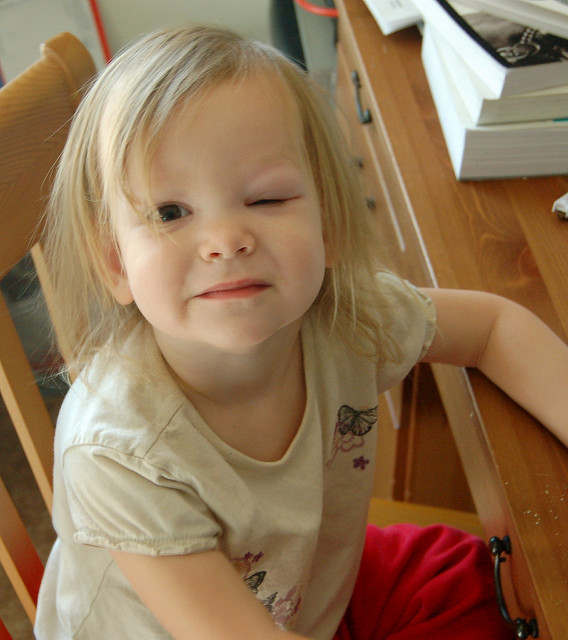
The swelling of your bottom eyelid may be caused by factors such as allergies, infections, or fluid retention. It's important to consult an eye care professional for an accurate diagnosis and appropriate treatment.
What can cause a swollen eyelid?
Swollen eyelids can be caused by various factors, including allergies, infections, injuries, or underlying medical conditions. Common triggers include insect bites, conjunctivitis, or exposure to irritants. It's essential to consult an eye care professional for proper diagnosis and treatment.
How to treat swollen eyelid?
Treating a swollen eyelid involves applying a cold compress to reduce inflammation, taking antihistamines for allergies, and using over-the-counter anti-inflammatory medications. If symptoms persist, consult an eye care professional for further evaluation and treatment.
What causes a swollen eyelid?
The causes of a swollen eyelid include allergies, infections, injuries, or underlying medical conditions. Common triggers are insect bites, conjunctivitis, or sinus infections, which can lead to inflammation and fluid retention in the eyelid area.
Why is my eyelid swollen and red?
Swollen and red eyelids can be caused by various factors, including allergies, infections, or irritants. It's essential to consult an eye care professional for an accurate diagnosis and appropriate treatment.
Why is my top eyelid swollen?
The swelling of your top eyelid may be due to various factors, including allergies, infections, or inflammation. It's important to consult an eye care professional for a proper diagnosis and treatment options.
Why is my eyelid swollen and hurts?
Swollen and painful eyelids can be caused by various factors, including allergies, infections, or inflammation. It's essential to consult an eye care professional for a proper diagnosis and treatment if symptoms persist.
Why has my eyelid swollen up?
The swelling of your eyelid can occur due to various reasons, including allergies, infections, or inflammation. It's essential to consult an eye care professional for accurate diagnosis and appropriate treatment.
Why is my eyelid swollen and sore?
The reasons for a swollen and sore eyelid can include allergies, infections, or inflammation. It's essential to consult an eye care professional for an accurate diagnosis and appropriate treatment options.
How to cure a swollen eyelid?
Curing a swollen eyelid involves identifying the underlying cause, such as allergies or infections. Common treatments include applying a cold compress, taking antihistamines for allergies, and using prescribed medications for infections. Always consult an eye care professional for persistent issues.
How to reduce swollen eyelid?
To reduce swollen eyelids, apply a cold compress for 10-15 minutes, keep your head elevated, and avoid allergens. Over-the-counter antihistamines may also help if allergies are the cause. If swelling persists, consult an eye care professional.
Why is my eyelid swollen and painful?
Swollen and painful eyelids can result from various issues, including allergies, infections, or inflammation. It's essential to consult an eye care professional for an accurate diagnosis and appropriate treatment.
What to do for a swollen eyelid?
For a swollen eyelid, you should apply a cold compress to reduce swelling, avoid rubbing your eyes, and take over-the-counter antihistamines if allergies are suspected. If symptoms persist, consult an eye care professional for further evaluation.
Why did I wake up with a swollen eyelid?
Waking up with a swollen eyelid can be caused by several factors, including allergies, insect bites, or infections. It's important to monitor any additional symptoms and consult an eye care professional if the swelling persists.
Why is the bottom of my eyelid swollen?
The bottom of your eyelid may be swollen due to various factors, such as allergies, infections, or fluid retention. It's important to consult an eye care professional for a proper diagnosis and treatment if the swelling persists.
What are common treatments for swollen eyelids?
Common treatments for swollen eyelids include applying cold compresses, using antihistamines for allergic reactions, and taking anti-inflammatory medications. In cases of infection, antibiotic eye drops or ointments may be prescribed by a healthcare professional.
How can allergies cause eyelid swelling?
Allergies can cause eyelid swelling by triggering an immune response that leads to inflammation. When allergens such as pollen, pet dander, or dust mites come into contact with the eyes, histamines are released, resulting in swelling and irritation of the eyelids.
What symptoms accompany a swollen eyelid?
The symptoms that accompany a swollen eyelid include redness, itching, pain, and tenderness in the affected area. Additionally, there may be discharge, sensitivity to light, or vision changes, depending on the underlying cause.
When should I see a doctor for swelling?
The appropriate time to see a doctor for swelling is when it is persistent, severe, or accompanied by other concerning symptoms such as pain, redness, or vision changes. Prompt medical evaluation is essential for proper diagnosis and treatment.
Can infections lead to swollen eyelids?
Infections can indeed lead to swollen eyelids. Conditions such as conjunctivitis or blepharitis often cause inflammation and swelling as the body responds to the infection.
What home remedies help reduce eyelid swelling?
Home remedies that help reduce eyelid swelling include applying cold compresses, using cucumber slices, and chamomile tea bags. These methods can soothe inflammation and provide relief, but persistent swelling should be evaluated by an eye care professional.
How long does eyelid swelling typically last?
Eyelid swelling typically lasts from a few hours to several days, depending on the underlying cause. If the swelling persists beyond a week or is accompanied by severe symptoms, it's important to consult an eye care professional.
Are there specific foods that cause eyelid swelling?
Certain foods can indeed cause eyelid swelling, particularly those that trigger allergic reactions, such as nuts, shellfish, dairy, and gluten. Additionally, high-sodium foods may lead to fluid retention and puffiness around the eyes.
What medications can cause eyelid swelling?
Certain medications can cause eyelid swelling as a side effect. Common culprits include antihistamines, antibiotics, and non-steroidal anti-inflammatory drugs (NSAIDs), which may trigger allergic reactions or fluid retention. Always consult a healthcare professional if you experience this symptom.
How does sleep position affect eyelid swelling?
Sleep position can significantly affect eyelid swelling. Lying flat or on your stomach may cause fluid to accumulate around the eyes, leading to increased puffiness, while sleeping on your back with your head elevated can help reduce this swelling.
Can stress contribute to swollen eyelids?
Stress can indeed contribute to swollen eyelids. When stressed, the body may react with inflammation and fluid retention, leading to puffiness around the eyes.
What is the difference between swelling and puffiness?
The difference between swelling and puffiness lies in their causes and characteristics. Swelling is often a result of inflammation or injury, while puffiness typically refers to temporary fluid retention, commonly seen in the eyes.
How can I prevent eyelid swelling in the future?
Preventing eyelid swelling in the future involves avoiding allergens, maintaining proper hygiene, and managing underlying health conditions. Additionally, using cold compresses can help reduce inflammation, while staying hydrated supports overall eye health.
What role does hydration play in eyelid health?
The role of hydration in eyelid health is crucial. Proper hydration helps maintain skin elasticity, reduces puffiness, and prevents dryness, which can lead to irritation or inflammation around the eyes.
Are swollen eyelids a sign of serious conditions?
Swollen eyelids can indicate serious conditions, but they are often caused by less severe issues like allergies or infections. It's essential to consult an eye care professional if swelling persists or is accompanied by other concerning symptoms.