

Understanding and Treating Chronic Dry Eye and MGD
by Dr Timothy Poirier, OD -The Eye Instititue
Meibomian Gland Dysfunction (MGD) is a prevalent yet often overlooked condition that significantly contributes to chronic dry eye syndrome. This article delves into the mechanisms behind MGD, its symptoms, diagnostic methods, and effective treatment options. Understanding MGD is crucial for those suffering from dry eye, as it addresses the root cause rather than merely alleviating symptoms. Many individuals experience discomfort and reduced quality of life due to chronic dry eye, but effective treatments are available to restore comfort and eye health. We will explore the role of meibomian glands, the impact of their dysfunction, and the various approaches to treatment, including lifestyle changes and advanced therapies.
Meibomian Gland Dysfunction (MGD)
Meibomian Gland Dysfunction (MGD) refers to the blockage or abnormal function of the meibomian glands, which are responsible for producing the oily layer of the tear film. This dysfunction can lead to an unstable tear film, resulting in dry eye symptoms. MGD is a common condition, affecting a significant portion of the population, particularly those over 50. The importance of these glands in maintaining eye health cannot be overstated, as they play a critical role in preventing evaporation of tears and ensuring proper lubrication of the ocular surface.
Role as Root Cause of Chronic Dry Eye:
MGD is a primary contributor to chronic dry eye syndrome. When the meibomian glands do not function properly, the tear film becomes compromised, leading to increased evaporation and dryness. This dysfunction can result from various factors, including inflammation, hormonal changes, and environmental conditions. If left untreated, MGD can lead to more severe ocular surface diseases and significantly impact a person's quality of life. Understanding the mechanisms by which MGD affects tear film stability is essential for effective management and treatment.
Further research emphasizes MGD's critical role in dry eye disease, detailing its impact on tear film stability and outlining comprehensive treatment approaches.
MGD: Leading Cause of Dry Eye & Treatment Strategies
Meibomian gland dysfunction (MGD) is highly prevalent and is the leading cause of evaporative dry eye disease (DED). MGD is characterized by a reduction in meibum secretion and/or a change in meibum composition that results in the disruption of the tear film lipid layer and an increase in the tear film evaporation rate. Excessive evaporation causes tear film instability, desiccation, tear hyperosmolarity, inflammation, and apoptosis of ocular surface cells, resulting in a continuous cycle of DED. The primary treatment goal for DED associated with MGD is to restore the tear film lipid layer and decrease evaporation, thereby reducing ocular signs and symptoms. The management of MGD includes home care options (eyelid hygiene, warming eye masks, ocular lubricants) and office-based treatments (manual expression, microblepharoexfoliation, thermal pulsation, intense pulsed light, intraductal probing).
Dry eye disease associated with meibomian gland dysfunction: focus on tear film characteristics and the therapeutic landscape, KK Nichols, 2023
Symptoms:

The symptoms of Meibomian Gland Dysfunction can vary widely among individuals but often include:
- Dryness: A persistent feeling of dryness in the eyes, which can worsen contact lens-related dry eye.
- Irritation: A sensation of grittiness or irritation, often exacerbated by environmental factors.
- Redness: Increased redness of the eyes due to inflammation.
- Blurred Vision: Fluctuating vision quality, particularly after prolonged screen time or reading.
Recognizing these symptoms early can lead to timely diagnosis and treatment, preventing further complications.
What Happens If MGD Goes Untreated?
Leaving Meibomian Gland Dysfunction untreated can lead to progressive and potentially irreversible damage. Over time, untreated MGD may cause permanent loss of gland tissue (atrophy), resulting in chronic tear film instability. This instability increases the risk of corneal damage and exacerbates dry eye symptoms, which can worsen progressively. These changes can significantly reduce quality of life by causing persistent discomfort, visual disturbances, and increased susceptibility to ocular surface disease. Early diagnosis and treatment are essential to prevent these long-term complications.
Diagnostic Methods:
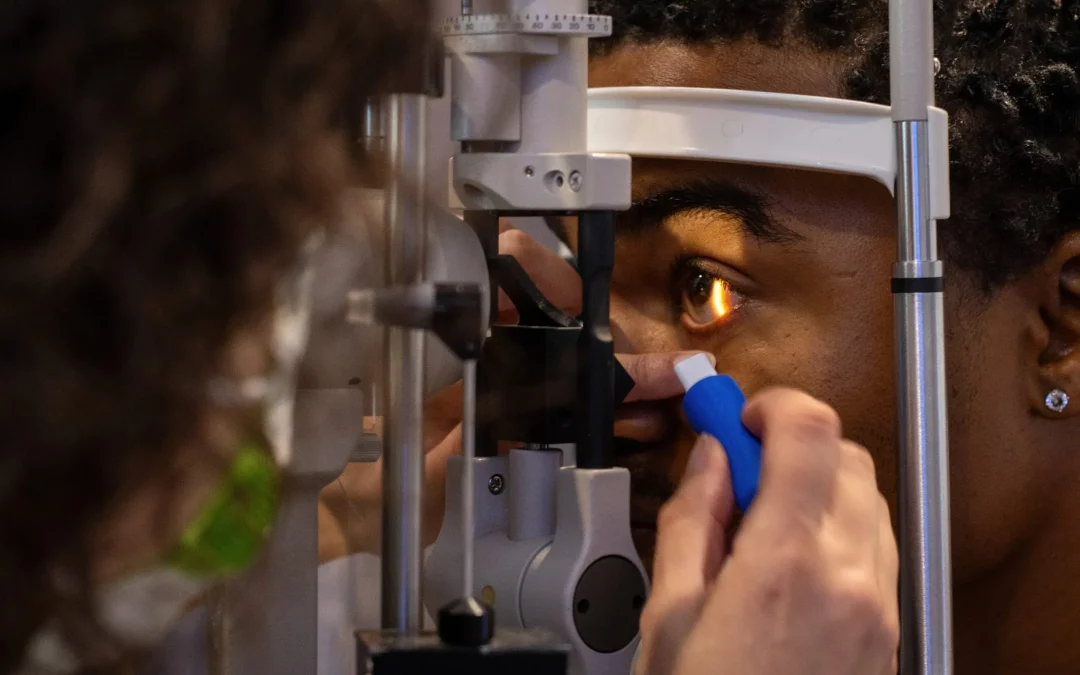
Accurate diagnosis of MGD is crucial for effective treatment. Common diagnostic methods include:
- Meibography: Imaging techniques to visualize the meibomian glands and assess their structure and function.
- Tear Break-Up Time (TBUT): A test to measure the stability of the tear film.
- Ocular Surface Staining: Using dyes to identify damage to the ocular surface.
These diagnostic tools help eye care professionals determine the extent of gland dysfunction and tailor treatment plans accordingly.
Effective Treatment Options:
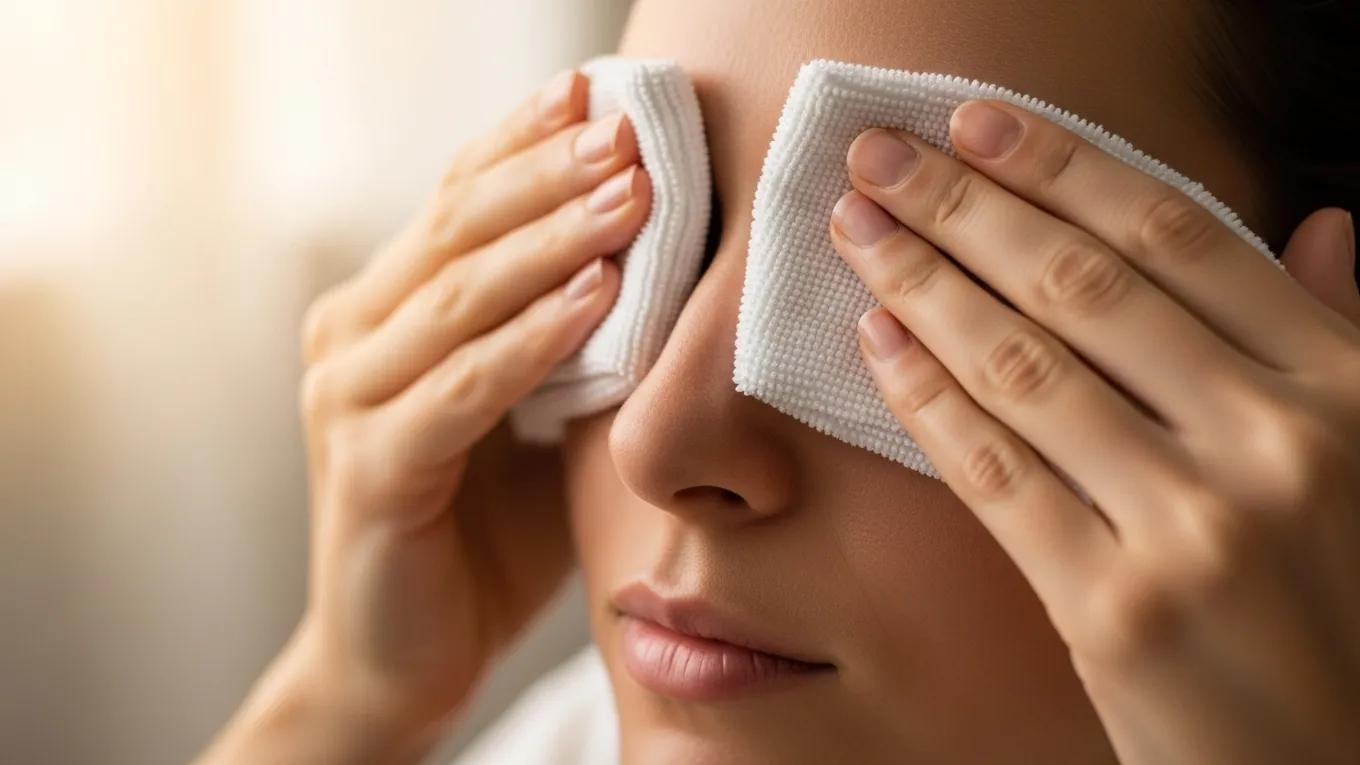
There are several effective treatment options available for Meibomian Gland Dysfunction, including:
- Warm Compresses: Applying heat to the eyelids can help unclog blocked glands and improve oil secretion.
- Eyelid Hygiene: Regular cleaning of the eyelids can reduce inflammation and promote gland function.
- Prescription Eye Drops: Medications that increase tear production or reduce inflammation may be recommended.
For those seeking advanced treatment options, Your Eye Institute offers specialized services to address MGD effectively. Scheduling an appointment can provide personalized care tailored to individual needs.
Various therapeutic strategies, ranging from conservative home care to advanced mechanical and pharmacological interventions, are employed to manage MGD effectively.
MGD Treatment: Conservative, Mechanical & Pharmacological Strategies
Meibomian gland (MG) dysfunction (MGD) is a multifactorial, chronic condition of the eyelids, leading to eye irritation, inflammation and ocular surface disease. Initial conservative therapy often includes a combination of warm compresses in addition to baby shampoo or eyelid wipes. Other manual and mechanical techniques to treat MGD include MG expression and massage, MG probing and LipiFlow®. Pharmacological treatments are another course of action. Supplements rich in omega-3 fatty acids have been shown to improve both MGD and dry eye symptoms. Topical antibiotics, such as azithromycin, or systemic antibiotics, such as doxycycline or azithromycin, can improve MGD symptoms both by altering the ocular flora and through anti-inflammatory mechanisms.
Current and emerging therapeutic strategies for the treatment of meibomian gland dysfunction (MGD), 2015
What is Meibomian Gland Dysfunction and How Does It Cause Chronic Dry Eye?
Meibomian Gland Dysfunction is characterized by the inadequate secretion of meibomian oil, which is essential for maintaining a stable tear film. This dysfunction leads to increased evaporation of tears, resulting in dry eye symptoms. The condition can be exacerbated by factors such as environmental stressors, hormonal changes, and certain medications. Understanding how MGD disrupts the tear film is vital for developing effective treatment strategies.
What are Meibomian Glands and Their Role in Eye Health?
Meibomian glands are specialized sebaceous glands located in the eyelids. Their primary function is to secrete lipids that form the outer layer of the tear film, preventing evaporation. This lipid layer is crucial for maintaining eye comfort and health. Dysfunction of these glands can lead to dry eye syndrome, highlighting their importance in ocular health.
How Does Dysfunction of These Glands Lead to Dry Eye Symptoms?
The dysfunction of meibomian glands results in a compromised tear film, leading to increased evaporation and dryness. When the lipid layer is insufficient, tears evaporate more quickly, causing irritation and discomfort. This pathophysiological process underscores the need for effective management of MGD to alleviate dry eye symptoms and improve overall eye health.
What Are the Common Symptoms and How is MGD Diagnosed?
Common symptoms of MGD include dryness, irritation, and blurred vision. Diagnosis typically involves a comprehensive eye examination, including tests such as meibography and tear break-up time assessments. Early diagnosis is crucial for effective treatment and management of symptoms.
Which Symptoms Indicate Possible Meibomian Gland Blockage?
Symptoms that may indicate a blockage of the meibomian glands include:
- Persistent Dryness: A constant feeling of dryness that does not improve with artificial tears.
- Gritty Sensation: A feeling of sand or grit in the eyes, often worsening throughout the day.
- Redness and Inflammation: Increased redness of the eyelids or conjunctiva.
Recognizing these symptoms can prompt individuals to seek professional evaluation and treatment.
What Diagnostic Tests Does Your Eye Institute Use for MGD?
Your Eye Institute employs various diagnostic tests to assess Meibomian Gland Dysfunction, including meibography and tear break-up time assessments. These tests provide valuable insights into gland function and help guide treatment decisions. Accurate diagnosis is essential for effective management of MGD and associated dry eye symptoms.
What Treatment Options Are Available for Meibomian Gland Dysfunction?
Treatment options for MGD include:
- Warm Compresses: Helps to unclog blocked glands and improve oil secretion.
- Eyelid Hygiene: Regular cleaning can reduce inflammation and promote gland function.
- Prescription Eye Drops: Medications that increase tear production or reduce inflammation.
- Intense Pulsed Light (IPL) Therapy: IPL therapy is an advanced in-office treatment available at The Eye Institute for patients with moderate to severe MGD. This therapy uses controlled pulses of light to reduce inflammation around the eyelid margins, improve Meibomian gland function, and stabilize the tear film. IPL has been shown to decrease eyelid redness and swelling, enhance oil secretion, and break the cycle of chronic dry eye symptoms. It is often used alongside other advanced treatments such as LipiFlow® to provide comprehensive care.
- LipiFlow®: Advanced treatment for gland blockage.
These treatments can significantly improve symptoms and enhance the quality of life for individuals suffering from MGD.
How Do Warm Compresses and Eyelid Hygiene Help Manage MGD?
Warm compresses are effective in managing MGD by softening the oils in the meibomian glands, making it easier for them to secrete their contents. Eyelid hygiene, including the use of eyelid scrubs, helps to remove debris and reduce inflammation, promoting better gland function. Together, these practices can alleviate symptoms and improve overall eye health.
What Advanced In-Office Treatments Like LipiFlow Offer Effective Relief?
Advanced in-office treatments, such as LipiFlow, provide effective relief for MGD by applying controlled heat and pressure to the eyelids. This treatment helps to clear blockages in the meibomian glands and restore normal function. Patients often report significant improvements in symptoms following this procedure, making it a valuable option for those with moderate to severe MGD.
What to Expect at Your MGD Appointment at The Eye Institute
A dry eye evaluation at The Eye Institute is a specialized appointment that goes well beyond a standard eye exam. Patients can expect a thorough, step-by-step assessment designed to identify the root cause of their symptoms — not just manage them.
- Dry Eye Questionnaire: The appointment begins with a comprehensive dry eye symptom questionnaire to understand the patient's history, lifestyle factors (screen time, contact lens use, medications), and the severity and frequency of their symptoms. This helps the clinical team tailor the evaluation before any testing begins.
- TearLab® Osmolarity Testing: Next, the team uses TearLab® Osmolarity Testing — a quick, painless test that measures the salt concentration (osmolarity) of the patient's tears. Elevated osmolarity is a key biomarker of dry eye disease. The test takes only seconds and requires just a tiny sample of tears from the corner of the eye — no discomfort involved.
- Meibography (Advanced Diagnostic Imaging): The Eye Institute uses Meibography — advanced infrared imaging technology — to directly visualize the Meibomian glands inside the eyelids. This non-invasive imaging reveals whether glands are blocked, truncated, or atrophied, providing a clear picture of MGD severity that simply cannot be detected in a routine eye exam. Patients often find it eye-opening (literally) to see the health of their own glands.
- Personalized Treatment Planning: Based on the diagnostic findings, the clinical team develops a customized treatment plan. Depending on the severity of MGD, this may include in-office treatments such as LipiFlow® Thermal Pulsation Therapy or Intense Pulsed Light (IPL) Therapy, combined with at-home care recommendations. No two treatment plans are identical — the goal is long-term gland health, not just temporary symptom relief.
Every step of the evaluation is comfortable, non-invasive, and designed to give patients — and their care team — a complete picture of their ocular surface health.
How Can Patients Improve Long-Term Eye Health and When Should They Seek Care?
Patients can improve long-term eye health by maintaining proper eyelid hygiene, using preservative-free artificial tears, and avoiding environmental irritants. It is essential to seek care when experiencing persistent dry eye symptoms, as early intervention can prevent further complications and improve quality of life.
What Lifestyle Changes Support Meibomian Gland Function?
Lifestyle changes that support meibomian gland function include:
- Hydration: Drinking plenty of water to maintain overall hydration.
- Diet: Consuming omega-3 fatty acids to support tear production.
- Screen Time Management: Taking regular breaks from screens to reduce eye strain.
These changes can enhance gland function and contribute to better eye health.
When is It Important to Schedule an Appointment at Your Eye Institute?
It is important to schedule an appointment at Your Eye Institute if you experience persistent dry eye symptoms, such as discomfort, redness, or blurred vision. Early evaluation and treatment can significantly improve symptoms and prevent complications associated with Meibomian Gland Dysfunction. Your Eye Institute is dedicated to providing comprehensive eye care tailored to individual needs.
This table summarizes the various treatment options available for Meibomian Gland Dysfunction, highlighting their descriptions and effectiveness. Understanding these options can help patients make informed decisions about their eye care.
For individuals experiencing dry eyes from contact lens wear, MGD can exacerbate symptoms, making early diagnosis and treatment even more important to maintain comfort and eye health.