

Why Do My Eyes Feel Dry When I Wear Contacts? Causes, Relief & When to See a Doctor
Experiencing dry eyes while wearing contact lenses is a common issue that many individuals face. This discomfort can stem from various factors, including environmental conditions, lens type, and personal health. In this article, we will explore the causes of dry eyes when wearing contacts, potential relief methods, and when it is necessary to seek medical attention. Understanding these aspects can help you manage your symptoms effectively and maintain optimal eye health. We will also discuss specific relief methods and the importance of proper lens care, along with insights from Your Eye Institute, a specialized provider of comprehensive vision health services.
Causes of Dryness:
Dry eyes can occur for several reasons, particularly for contact lens wearers. One primary cause is reduced tear film stability, which can be exacerbated by the presence of contact lenses. When the tear film is not stable, it can lead to discomfort and irritation. Additionally, limited oxygen flow to the cornea due to certain lens materials can contribute to dryness. Environmental factors, such as low humidity or exposure to wind, can also play a significant role in exacerbating dry eye symptoms. Understanding these causes is crucial for effective management and prevention.
Potential Relief Methods:
There are several methods to alleviate dry eyes for contact lens wearers. Here are some effective strategies:
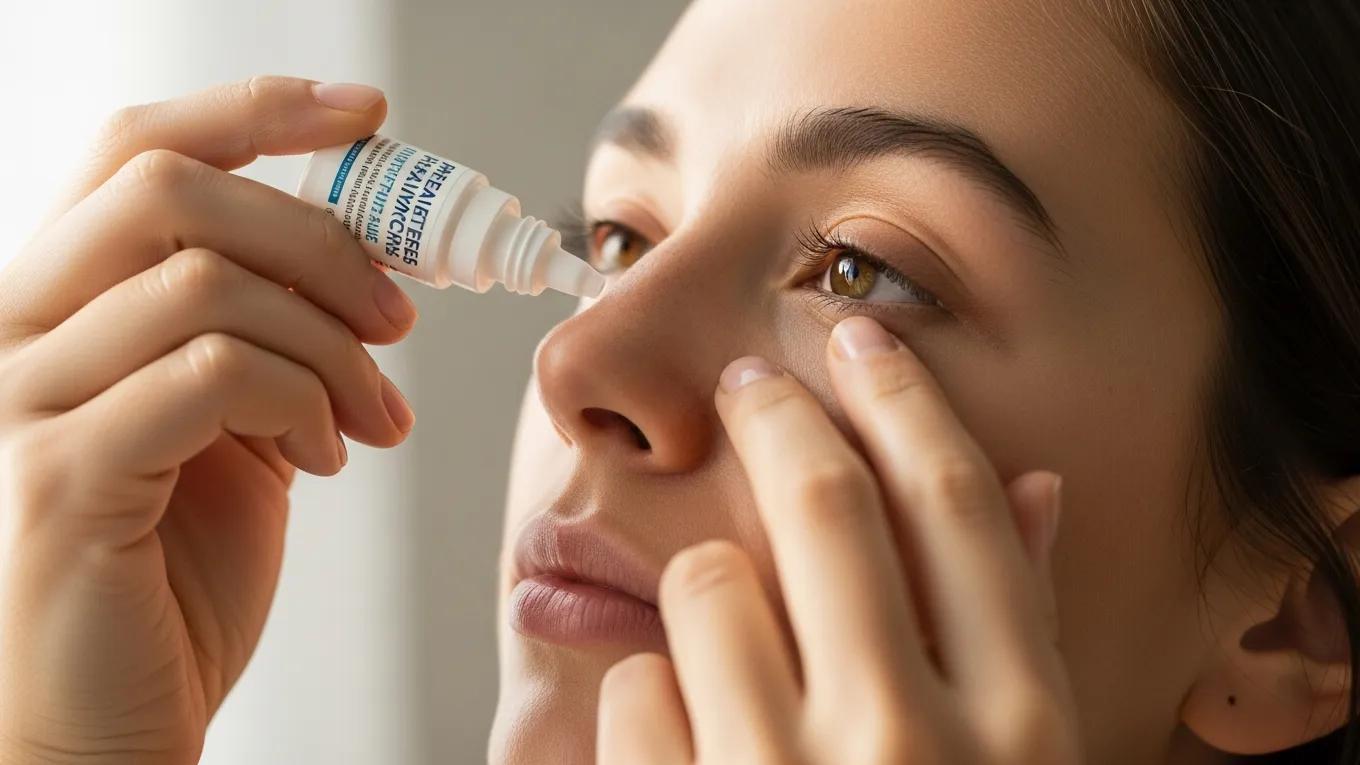
- Use of Artificial Tears: Preservative-free artificial tears can provide immediate relief by lubricating the eyes and restoring moisture.
- Changing Lens Type: Switching to moisture-retaining lenses or daily disposable lenses can significantly improve comfort.
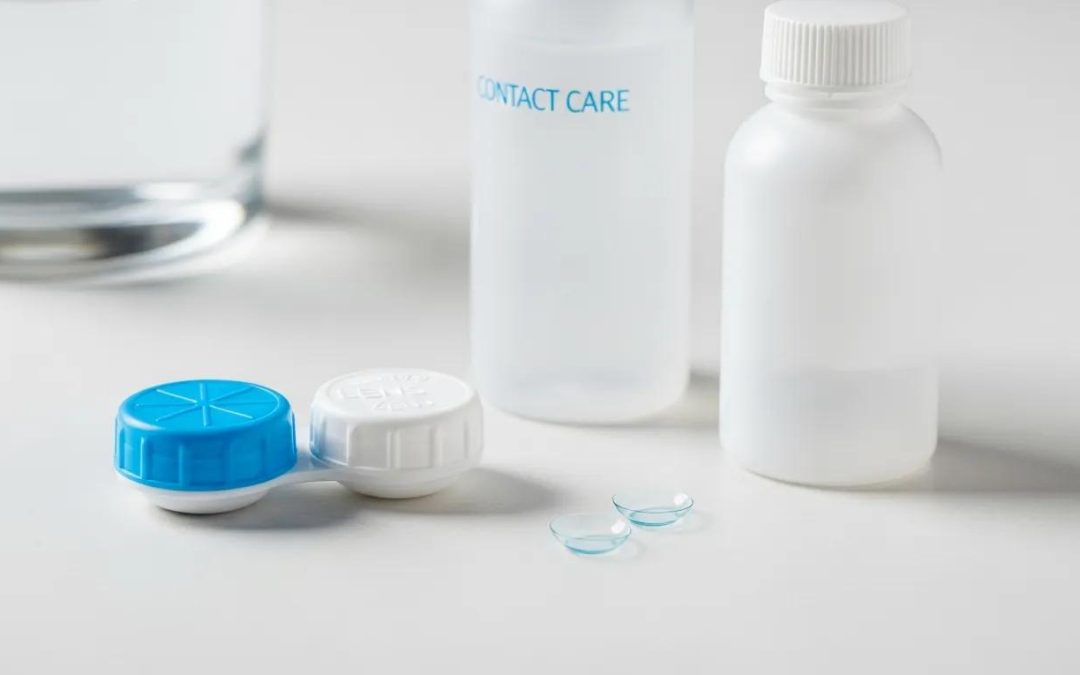
- Proper Lens Care: Ensuring that lenses are cleaned and stored correctly can prevent irritation and dryness.
For those seeking personalized solutions, Your Eye Institute offers specialized services, including dry eye diagnosis and treatment, to help you find the best relief options tailored to your needs.
How Can I Relieve Dry Eyes While Wearing Contacts?
To relieve dry eyes while wearing contacts, consider the following methods:
- Use Preservative-Free Artificial Tears: These drops can be used throughout the day to maintain moisture without the risk of irritation from preservatives.
- Stay Hydrated: Drinking plenty of water helps maintain overall hydration, which can positively impact tear production.
- Take Breaks from Contacts: If possible, give your eyes a break from contact lenses by wearing glasses occasionally.
What Are the Best Eye Drops and Lubricants for Contact Lens Dryness?
When selecting eye drops for contact lens dryness, look for preservative-free options that are specifically designed for use with contact lenses. These drops can provide relief without compromising lens integrity. Some recommended products include:
- Systane Ultra: A popular choice for its long-lasting moisture.
- Refresh Optive: Known for its compatibility with all types of contact lenses.
- Blink Contacts: Specifically formulated for contact lens wearers, providing hydration and comfort.
When to Seek Medical Attention:
It is essential to know when to consult a doctor for dry eyes. If symptoms persist beyond a week, or if you experience significant discomfort, it may be time to seek professional help. Additionally, if you notice symptoms of infection, such as redness, swelling, or discharge, immediate medical attention is necessary. Your Eye Institute can provide comprehensive evaluations and treatment options tailored to your specific needs.
What Causes Dry Eyes When Wearing Contact Lenses?
Several factors contribute to dry eyes in contact lens users. Environmental conditions, such as air conditioning or heating, can dry out the eyes. The type of lens material also plays a role; some materials may not allow enough oxygen to reach the cornea, leading to dryness. Personal health conditions, such as allergies or autoimmune diseases, can further exacerbate dry eye symptoms. Understanding these causes can help in selecting the right lenses and care practices.
How Do Contact Lenses Contribute to Dry Eye Symptoms?
Contact lenses can contribute to dry eye symptoms by disrupting the natural tear film. When lenses are placed on the eye, they can create a barrier that limits the spread of tears across the surface of the eye. This can lead to reduced moisture and increased friction, resulting in discomfort. Additionally, certain lens materials may absorb moisture, further exacerbating dryness.
What Are Common Dry Eye Causes Related to Contact Lens Use?
Common causes of dry eyes in contact lens users include:
- Improper Care: Failing to clean and store lenses properly can lead to irritation.
- Allergies: Allergic reactions to dust, pollen, or lens solutions can cause dryness.
- Lens Type: Some lenses may not be suitable for individuals with dry eyes, making it essential to choose the right type.
Which Lifestyle and Lens Care Practices Help Reduce Dry Eye Discomfort?
Implementing specific lifestyle changes and lens care practices can significantly reduce dry eye discomfort. Here are some effective strategies:
- Stay Hydrated: Drinking sufficient water helps maintain tear production.
- Use a Humidifier: Adding moisture to the air can alleviate dryness, especially in winter months.
- Follow Proper Lens Care: Regularly clean and replace lenses as recommended to prevent irritation.
When Should I See a Doctor for Dry Eyes Caused by Contact Lenses?
If you experience persistent dry eye symptoms, it is crucial to consult a doctor. Signs that warrant a visit include:
- Persistent Symptoms: If dryness continues despite using artificial tears.
- Severe Symptoms: Intense discomfort or pain in the eyes.
- Disruption of Daily Activities: If dry eyes interfere with your ability to work or enjoy daily activities.
How Do Eye Care Specialists Diagnose and Treat Contact Lens Dry Eye?
Eye care specialists utilize various diagnostic methods to assess dry eyes in contact lens wearers. These may include:
- Tear Break-Up Time Test: Measures how long tears remain stable on the eye.
- Ocular Surface Staining: Identifies damage to the eye's surface.
- Patient History: Discussing symptoms and lens usage to tailor treatment.
Research further supports the effectiveness of specific diagnostic tools, such as non-invasive tear break-up time measurements, in identifying tear instability among contact lens wearers.
Diagnosing Tear Instability in Contact Lens Wearers
1. To evaluate the performance of precorneal and prelens non-invasive tear break-up time (NIBUT) measurements to determine tear instability in contact lens (CL) wearers.
4. Precorneal NIBUT measurements may be useful in diagnosing tear instability. Prelens NIBUT values are not yet capable of adequately defining the tear film dynamics in CL wearers.
Ability of non-invasive tear break-up time to determine tear instability in contact lens wearers, 2022
Treatment options may include prescription eye drops, lifestyle modifications, or changes in lens type. Your Eye Institute is equipped to provide comprehensive care for dry eyes, ensuring you receive the best possible treatment.