


Why Do My Eyes Water? Understanding Dry Eye Syndrome
By The Eye Institute Team, The Eye Institute
Excessive tearing and watering of the eyes can be puzzling and concerning for many individuals. Understanding the underlying causes, particularly dry eye syndrome, can help provide clarity and guide appropriate responses. This comprehensive guide explores the symptoms, causes, and effective management strategies related to watery eyes and dry eye syndrome. Dry eye syndrome occurs when your eyes do not produce enough tears to keep them adequately lubricated, leading to discomfort and increased tearing as the eye tries to compensate for dryness. This article will cover an overview of dry eye syndrome, common causes of excessive tearing, treatment options, and management strategies to improve overall ocular health.
Dry Eye Syndrome Overview
Dry eye syndrome is a condition characterized by a chronic lack of sufficient moisture in the eyes. This results in symptoms including dryness, irritation, and excessive watering. When the eye surface is insufficiently lubricated, it sends signals to stimulate tear production, which can lead to watering. Understanding dry eye syndrome is crucial, as it can greatly affect an individual's quality of life, leading to discomfort and potential eye damage.
Common Causes
A variety of factors can contribute to dry eye syndrome, leading to persistent watering in some cases. These causes include insufficient tear production, environmental influences, and lifestyle choices. Limited tear production can occur due to age, hormonal changes, certain medical conditions (like Sjögren's syndrome), and the use of certain medications. Additionally, environmental elements like smoke, wind, and dry air can exacerbate symptoms, while lifestyle factors such as prolonged screen time can also lead to eye fatigue and dryness.
Effective Treatment Options
There are several treatment options available for managing dry eye syndrome, each designed to alleviate discomfort and improve tear production.
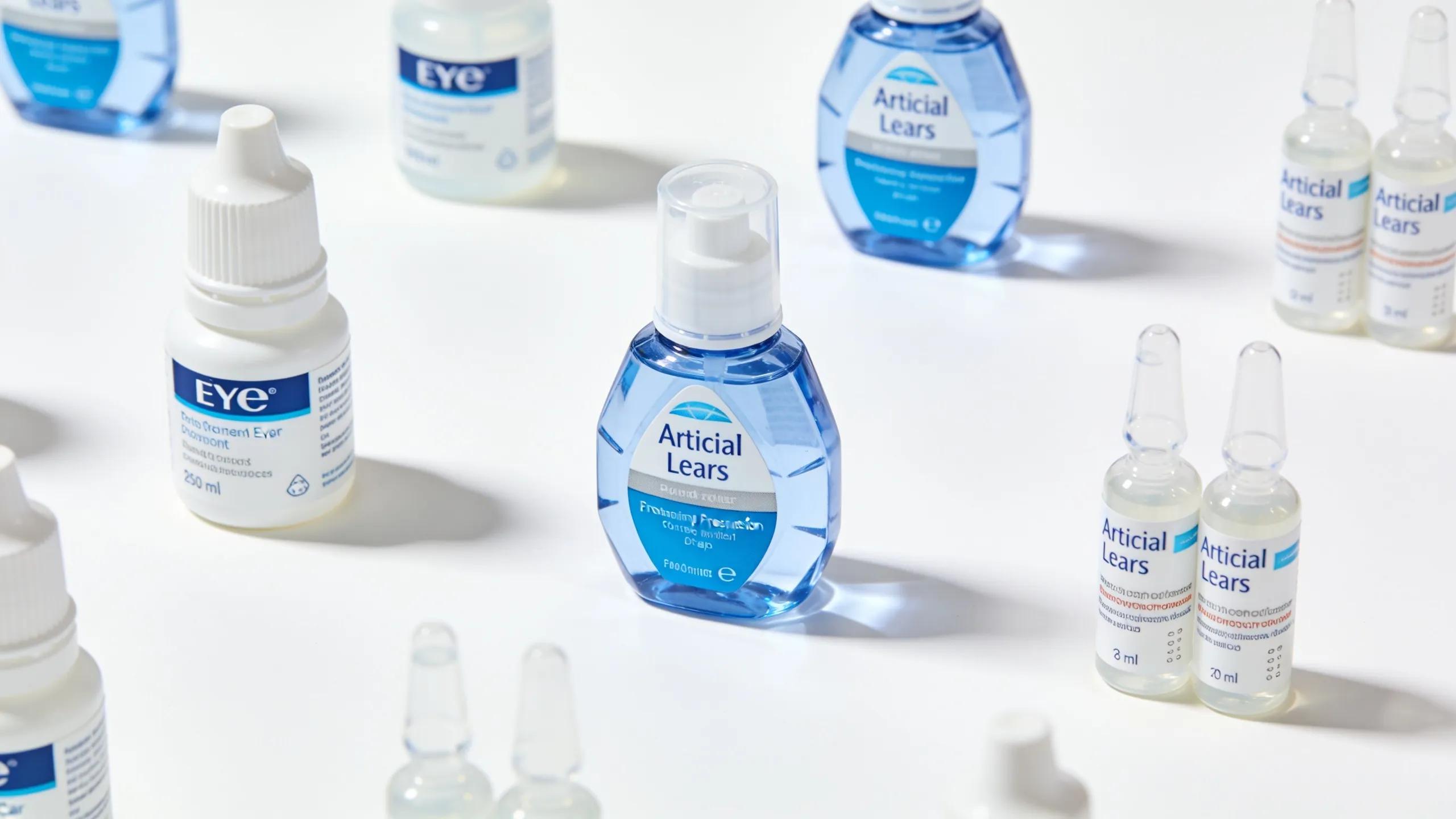
- Artificial Tears: These over-the-counter eye drops provide immediate relief by lubricating the eye surface.
- Prescription Medications: Prescription eye drops such as cyclosporine (Restasis) or lifitegrast (Xiidra) are available to reduce inflammation and increase tear production.
- LipiFlow: This innovative procedure is designed to treat meibomian gland dysfunction, a common cause of dry eyes, by using heat and pressure to clear blocked glands.
- IPL Therapy: Intense pulsed light therapy targets inflammation and improves meibomian gland function.
Your Eye Institute specializes in comprehensive eye care services aimed at diagnosing and treating conditions including dry eye syndrome and related symptoms such as excessive eye watering.
Management Strategies

Managing dry eye syndrome effectively involves implementing various strategies to minimize symptoms and disease progression. Regular eye exams are essential to monitor eye health and adapt treatment plans as necessary. One commonly recommended strategy is the 20-20-20 rule, which entails taking a break every 20 minutes to look at something 20 feet away for at least 20 seconds, helping to reduce eye strain.
Risks of Untreated Dry Eyes
Neglecting dry eye syndrome can lead to chronic discomfort and more serious complications. Risks associated with untreated dry eyes include increased susceptibility to eye infections, corneal abrasions, and even vision impairment. It is essential to address symptoms early on to avoid these potential complications and maintain good ocular health.
What Are the Common Causes of Watery Eyes and Dry Eye Syndrome?
Watery eyes can be caused by several conditions, including allergies, infections, and structural abnormalities such as tear duct blockages. Understanding the differences between dry eye syndrome and watery eyes is crucial for effective treatment. Allergens and irritants, like pollen and dust, can provoke excessive tearing as the body's natural response to clear irritants from the eyes.
How Does Meibomian Gland Dysfunction Lead to Eye Watering?
Meibomian glands play a vital role in maintaining the health of the tear film by producing oils that prevent tears from evaporating. When these glands become blocked or dysfunctional, it can result in instability of the tear film. This leads to a paradoxical situation where the eyes feel dry, prompting the body to produce more tears, thus resulting in excessive watering.
Can Tear Duct Blockage and Ocular Surface Irritation Cause Excessive Tearing?
Yes, tear duct blockages and irritation of the ocular surface can indeed lead to excessive tearing. When the tear ducts are blocked, tears cannot drain properly, which can lead to overproduction. Ocular surface irritation, due to conditions like conjunctivitis or even dry eye syndrome itself, can also stimulate increased tearing as the eye attempts to soothe itself.
How Is Dry Eye Syndrome Diagnosed and When Should I See an Eye Doctor?
Diagnosis of dry eye syndrome typically involves assessing symptoms through patient history and specialized tests that measure tear production and eye surface stability. If you experience persistent dryness, discomfort, or excessive tearing, it is essential to see an eye doctor for a thorough evaluation. Timely diagnosis can lead to effective treatment strategies tailored to your specific condition.
What Diagnostic Tests Identify Meibomian Gland Dysfunction and Tear Film Instability?
Various diagnostic tests can help identify meibomian gland dysfunction and assess tear film stability. Break-up time tests measure how long tears remain on the eye surface before evaporating, while meibography can visualize meibomian glands to check for blockages. An accurate diagnosis is vital for developing a suitable treatment plan.
When Are Watery Eyes a Sign to Schedule an Eye Exam?
You should schedule an eye exam if you experience excessive watery eyes, especially if accompanied by symptoms such as pain, blurred vision, or significant discomfort. These signs may indicate underlying conditions that require professional evaluation and management.
What Are the Leading Treatment Options for Dry Eye Syndrome and Watery Eyes?
Several options exist for treating both dry eye syndrome and watery eyes, which include:
- Artificial Tears: Use lubricating eye drops or gels.
- Prescription Medications: Consider prescription drops for more severe dry eye.
- Surgical Options: Punctal plugs can be inserted to retain tears.
This comparison of options highlights the importance of individualized care depending on the severity and underlying causes of symptoms.
How Does the LipiFlow Procedure Benefit Meibomian Gland Function?
LipiFlow is a revolutionary procedure that alleviates meibomian gland dysfunction by applying heat and gentle pressure to the eyelid. This targeted treatment effectively clears blockages, restoring the normal function of the glands and improving overall tear quality. Many patients report significant relief from dry eye symptoms following the procedure.
Is IPL Therapy Safe and Effective for Reducing Eye Watering and Inflammation?
Intense pulsed light (IPL) therapy is considered safe and effective for treating dry eyes caused by meibomian gland dysfunction. This therapy uses broad-spectrum light to target the inflammation of the eyelids and glands, promoting natural tear production. Patients often experience reduced symptoms and improved comfort after undergoing IPL therapy.
How Can Patients Manage Watery Eyes and Support Long-Term Eye Health?
Managing watery eyes involves a combination of lifestyle changes and routine eye care practices. Patients can benefit from:
- Maintaining Hydration: Staying hydrated helps maintain tear production.
- Practicing Good Eyelid Hygiene: Clean eyelids regularly to prevent blockages in the meibomian glands.
- Regular Eye Exams: Schedule check-ups to monitor eye health.
Consistently applying these practices can enhance overall eye comfort and reduce the frequency of symptoms.
What Everyday Practices and Eyelid Hygiene Help Reduce Symptoms?
Implementing effective eyelid hygiene practices is essential for maintaining eye health and reducing symptoms of dryness. Key practices include:
- Using Warm Compresses: Applying warmth can help unblock meibomian glands.
- Cleaning Eyelids: Regularly cleanse the eyelid margins to remove debris and prevent infections.
- Using Humidifiers: Adding moisture to dry environments can help combat dryness in the air.
By incorporating these practices, patients can significantly alleviate symptoms and achieve better ocular health.
When Should You Consider Combining Treatments for Moderate to Severe Dry Eye?
In cases of moderate to severe dry eye, combining treatments may be necessary for effective management. For instance, using artificial tears along with prescription medications can target multiple pathways of dry eye. Consultation with an eye care professional is essential for determining the best combination approach tailored to individual needs.