

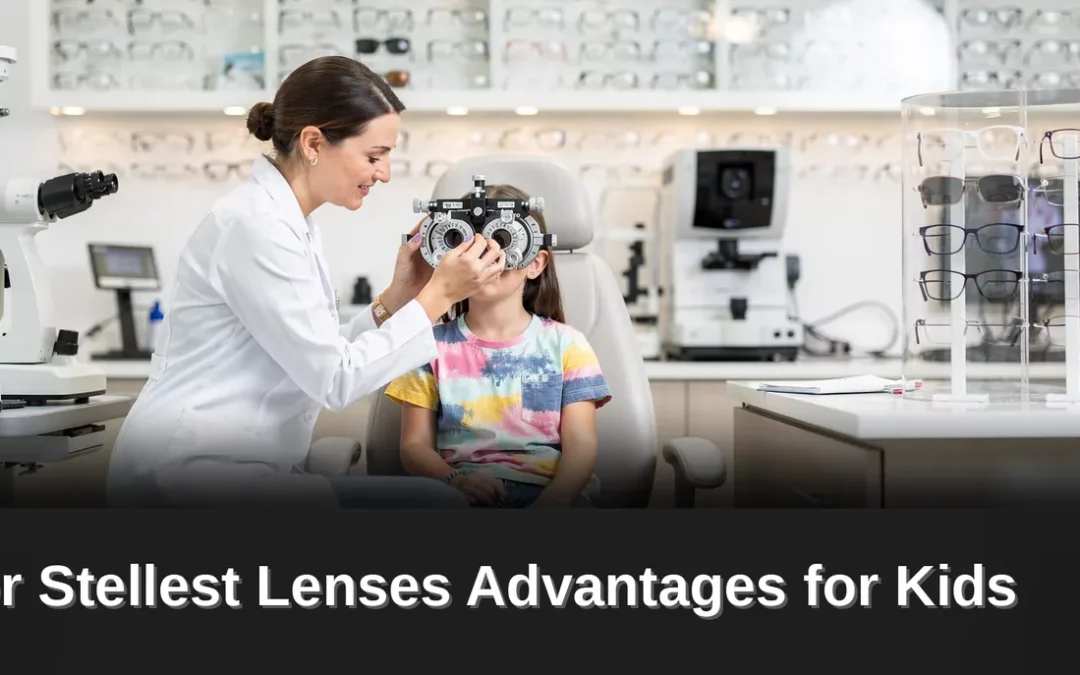
Essilor Stellest Lenses Advantages for Kids
By The Eye Institute Editorial Team · Updated 2026-08-05
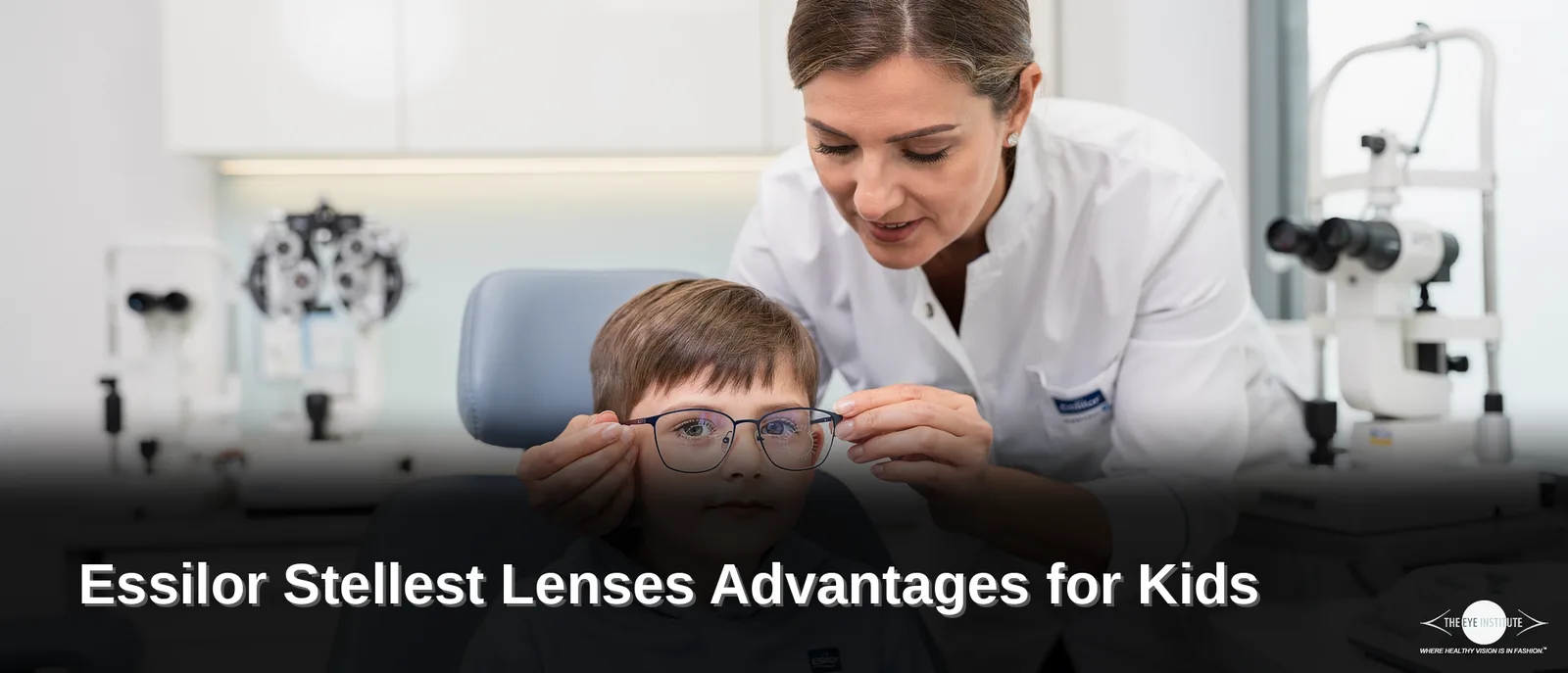
Essilor Stellest lenses use H.A.L.T. MAX technology to slow myopia progression in children, unlike traditional single-vision glasses, which only sharpen distance vision without addressing worsening nearsightedness. Stellest lenses wear and function just like regular glasses, requiring full-time use. Offering clinically proven treatment benefits that standard lenses cannot provide for progressing childhood myopia.
Key Takeaways
- Essilor Stellest lenses combine sharp vision with HALT technology to slow myopia progression in children.
- Stellest lenses function like regular single-vision glasses, requiring consistent full-time wear for effectiveness.
- Clinical trials proved Stellest lenses slow myopia progression in children aged 6-12 years.
- The Eye Institute in Knightdale, NC provides advanced myopia management options including Stellest lenses.
How Do Stellest Lenses Differ From Regular Glasses?
One prescription covers the whole lens in traditional eyewear, correcting distance vision and nothing more. Stellest lenses take a fundamentally different approach, targeting the eye growth that drives myopia progression in the first place. That distinction matters for parents weighing whether standard glasses are enough for a child whose prescription keeps climbing.
Essilor Stellest lenses advantages for kids start with this dual purpose: clear distance vision paired with a design aimed at slowing how fast nearsightedness worsens. Regular single-vision lenses were never built for that second job.
Are Stellest lenses harder to adjust to than regular glasses?
No. Children wear them the same way they'd wear any prescription glasses, with no special care routine or adjustment period reported. The lens fits into standard frames, so the daily experience feels familiar to a child already used to wearing glasses.
Here's a quick side-by-side:
Parents evaluating either option benefit from starting with a full eye exam. The Eye Institute offers comprehensive exams alongside diagnosis and treatment of eye diseases, giving families in Raleigh, Knightdale, and Wake Forest a clear starting point for assessing a child's myopia.
What Makes Stellest Lenses Better For Kids?
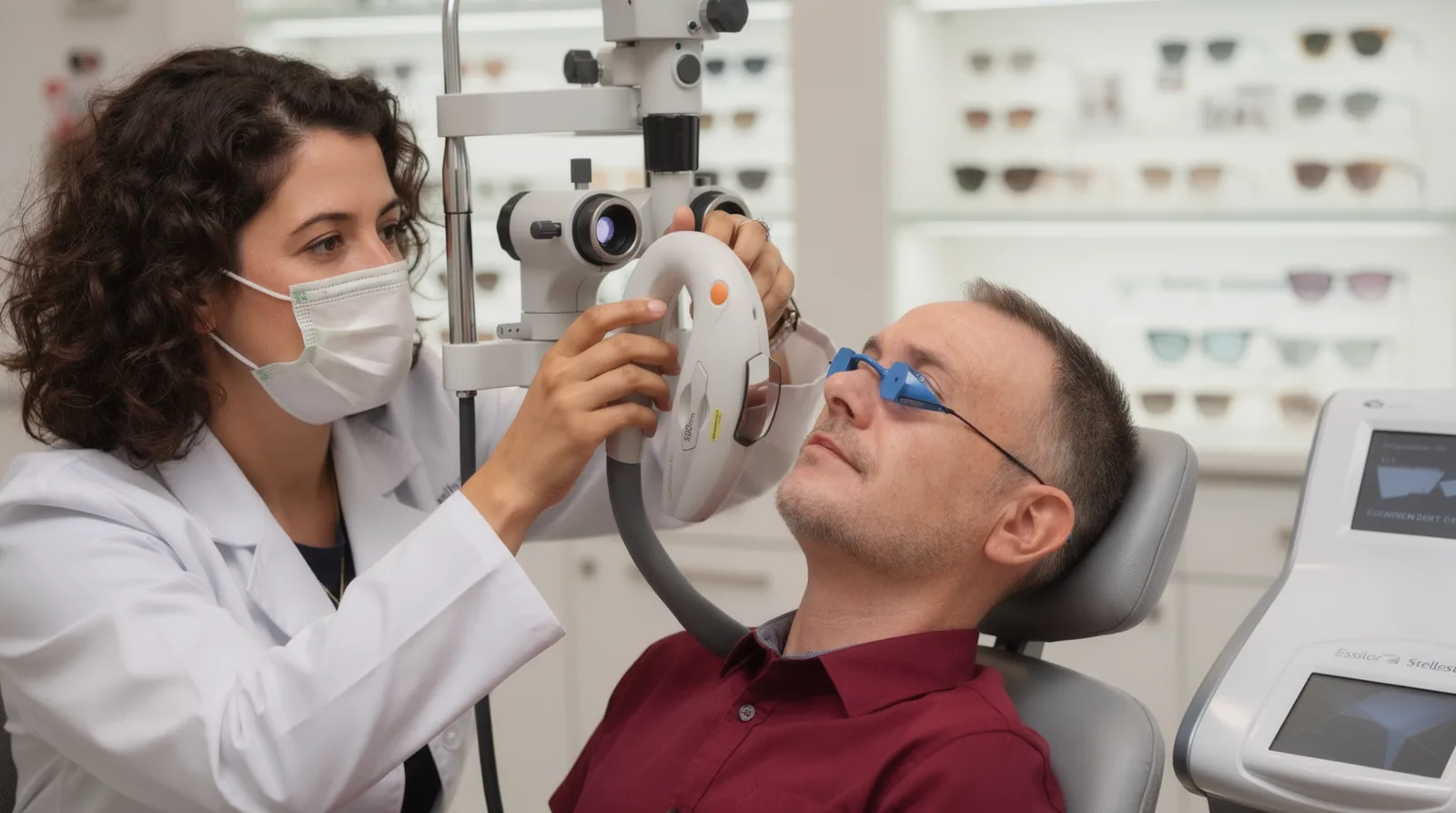
Sharp distance vision alone does not stop nearsightedness from worsening. Essilor Stellest lenses pair that clear correction with HALT technology, engineered specifically to slow a child's myopia progression rather than just mask its symptoms. That dual purpose sets these lenses apart from standard eyewear. Explains why parents researching Essilor Stellest lenses advantages for kids keep landing on this option.
Do Stellest lenses still look like normal glasses?
Yes. Children wear them exactly like regular single-vision glasses, with no special routine or adjustment period required. The Eye Institute stocks a curated selection of independent designer eyewear brands and high-quality eyeglass lenses. Kids leave with frames that fit their face and their personality, not just their prescription.
What if cost stands in the way of treatment?
Advanced lens technology should not depend solely on a family's budget. The Eye Institute runs a monthly Give Back Program, through which families can nominate someone for a free eye exam and glasses. This program helps widen access to progression-focused options like Stellest lenses for kids who might otherwise go without.
Three factors work together for young patients:
- Vision correction that keeps daily activities like reading and sports unaffected
- Myopia-slowing design built into the lens itself, not an add-on treatment
- Everyday wearability with no contacts, drops, or special handling required
Do Stellest Lenses Really Work For Myopia?
Yes, clinical evidence confirms that Stellest lenses for myopia management work in properly documented pediatric cases. Results, however, hinge on one condition: consistent, correct, full-time wear. Skipped days or ill-fitting frames undercut the outcomes doctors expect to see. That nuance matters more than the headline results themselves.
Parents weighing this treatment should understand what "working" actually means in practice. Slower progression doesn't mean zero change in prescription; it means change happens at a reduced rate compared to standard lenses. Tracking that progress requires regular follow-up exams, not a one-time fitting.
Do all children respond the same way to Stellest lenses?
No. Response varies by child, which is why eye doctors monitor progression at scheduled intervals rather than promising a fixed result. Consistency of wear remains the single biggest factor within a family's control.
How can parents evaluate whether Stellest lenses are right for their child?
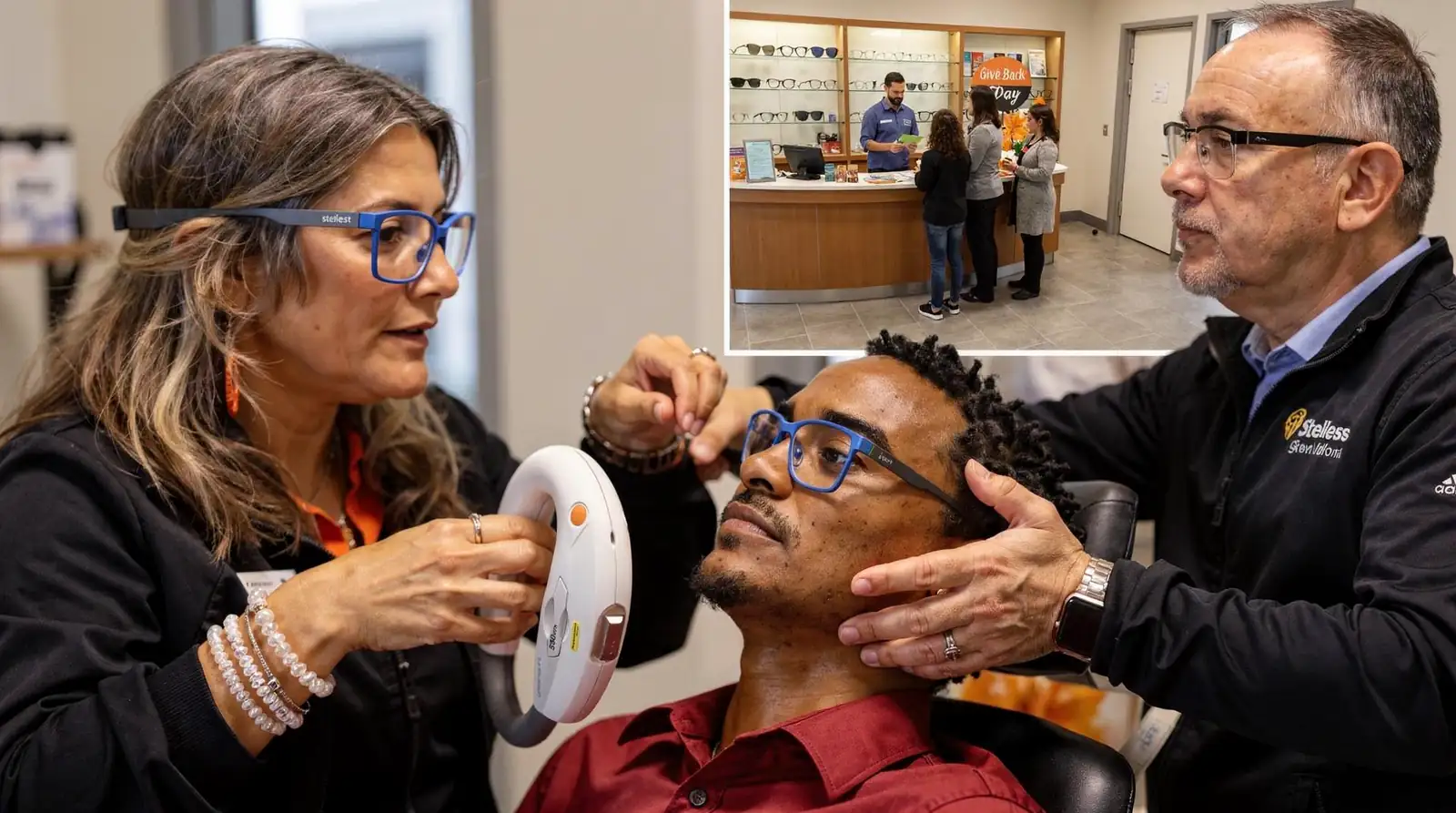
A comprehensive eye care appointment gives parents a clear, personalized answer. During that visit, doctors review the child's myopia progression history and discuss whether Stellest lenses align with treatment goals. Families interested in exploring options without cost as a barrier can also look into the practice's annual fall "Give Back" Day, which provides free eye exams and glasses to the first 100 people served.
FAQ
Are Stellest lenses harder for kids to adjust to than regular glasses?
No. Children wear them the same way they'd wear standard prescription glasses, with no special care routine or adjustment period, fitting into standard frames for a familiar daily experience.
What is the main difference between Stellest lenses and traditional single-vision glasses?
Traditional lenses only sharpen distance vision with one prescription across the lens. Stellest lenses combine that same correction with H.A.L.T. MAX technology to slow myopia progression in children.
What if a family can't afford Stellest lenses for their child?
The Eye Institute runs a monthly Give Back Program where families can nominate someone for a free exam. Glasses, helping make advanced treatment accessible regardless of budget.
Facts
- The Eye Institute is located in Knightdale, NC, United States.
- The Eye Institute is committed to meeting the vision care needs of people of all ages in the Raleigh, Knightdale and Wake Forest NC areas.
- The Eye Institute hosts a "Give Back" Day every fall, offering free eye exams and glasses to the first 100 people.
- The Eye Institute offers a monthly Give Back Program to nominate someone for a free exam and glasses.