



Long-term Relief for Dry Eye: Personalized Treatment Plans at Your Eye Institute
By The Eye Institute Team, The Eye Institute
Dry eye affects millions and can cause ongoing discomfort and blurred vision when left untreated. Many people find that generic approaches only offer short-term relief. This guide explains how a personalized treatment plan—built around your symptoms and underlying causes—can restore eye moisture and improve comfort. We outline the latest clinic-based treatments, practical at-home care, and how we tailor therapies at Your Eye Institute so you get lasting results and better day-to-day vision.
Personalized treatment options for dry eye syndrome include:
Treatment is not one-size-fits-all. A customized plan looks at your tear film, eyelid health, lifestyle, and medical history to recommend the right combination of therapies. Common options we use are:
- LipiFlow® Thermal Pulsation Therapy: A non-invasive approach that gently heats and massages the eyelids to clear blocked meibomian glands, restoring the oil layer that stabilizes tears. Clinical evidence shows measurable symptom relief after treatment.
- Neurolens® Prescription Lenses: Lenses crafted to ease digital eye strain and visual discomfort for people who spend long hours on screens, often reducing dryness linked to prolonged near work.
- Prescription or Medicated Eye Drops: Targeted drops that reduce inflammation and improve tear quality, offering both immediate comfort and longer-term benefit when used as prescribed.
Effective care strategies for lasting relief include:
Small daily habits combined with clinical care can make a big difference. Key strategies include:
- Regular Eye Exams: Ongoing monitoring lets us track tear health and fine-tune treatments as your condition changes.
- Using Prescribed Eye Drops: Consistent use of medicated drops helps control inflammation and supports healthier tear film dynamics.
- Screen Breaks: Simple practices like the 20-20-20 rule—look 20 feet away for 20 seconds every 20 minutes—reduce blink suppression and digital strain.
What Are the Common Causes and Symptoms of Chronic Dry Eye Syndrome?
Chronic dry eye occurs when tear production is insufficient or the tears evaporate too quickly. Typical contributors include:
- Insufficient Tear Production: Caused by aging, systemic conditions, or certain medications that reduce tear volume.
- Poor Tear Quality: A lack of oils or essential tear components makes tears unstable and more prone to evaporation.
- Environmental Factors: Low humidity, wind, and long stretches of screen use can worsen symptoms.
Common symptoms include persistent dryness, burning, redness, and a gritty sensation. For persistent or advanced cases, clinic-based treatments can deliver meaningful improvement.
How Does Meibomian Gland Dysfunction Contribute to Dry Eye?
Meibomian Gland Dysfunction (MGD) disrupts the oily layer of the tear film, increasing evaporation and surface irritation. When these glands become clogged or inflamed, tear stability suffers.
- Inflammation and blockage of the glands: Obstruction reduces oil output and weakens tear film integrity.
- Symptoms of MGD: Redness, irritation, fluctuating vision, and a gritty feeling are common signs.
- Management strategies: Treatments range from warm compresses and lid hygiene to clinic procedures that clear blockages and reduce inflammation.
What Signs Indicate Severe Dry Eye Symptoms?
Seek prompt care when symptoms are persistent or interfere with daily life. Key warning signs include:
- Persistent Dryness: Ongoing dryness despite home measures and environmental fixes.
- Irritation: Increasing discomfort or pain that doesn’t respond to over-the-counter remedies.
- Gritty Sensation: A constant feeling of something in the eye, often with swelling, redness, or blurred vision.
How Can LipiFlow Treatment Provide Lasting Relief for Dry Eye Syndrome?
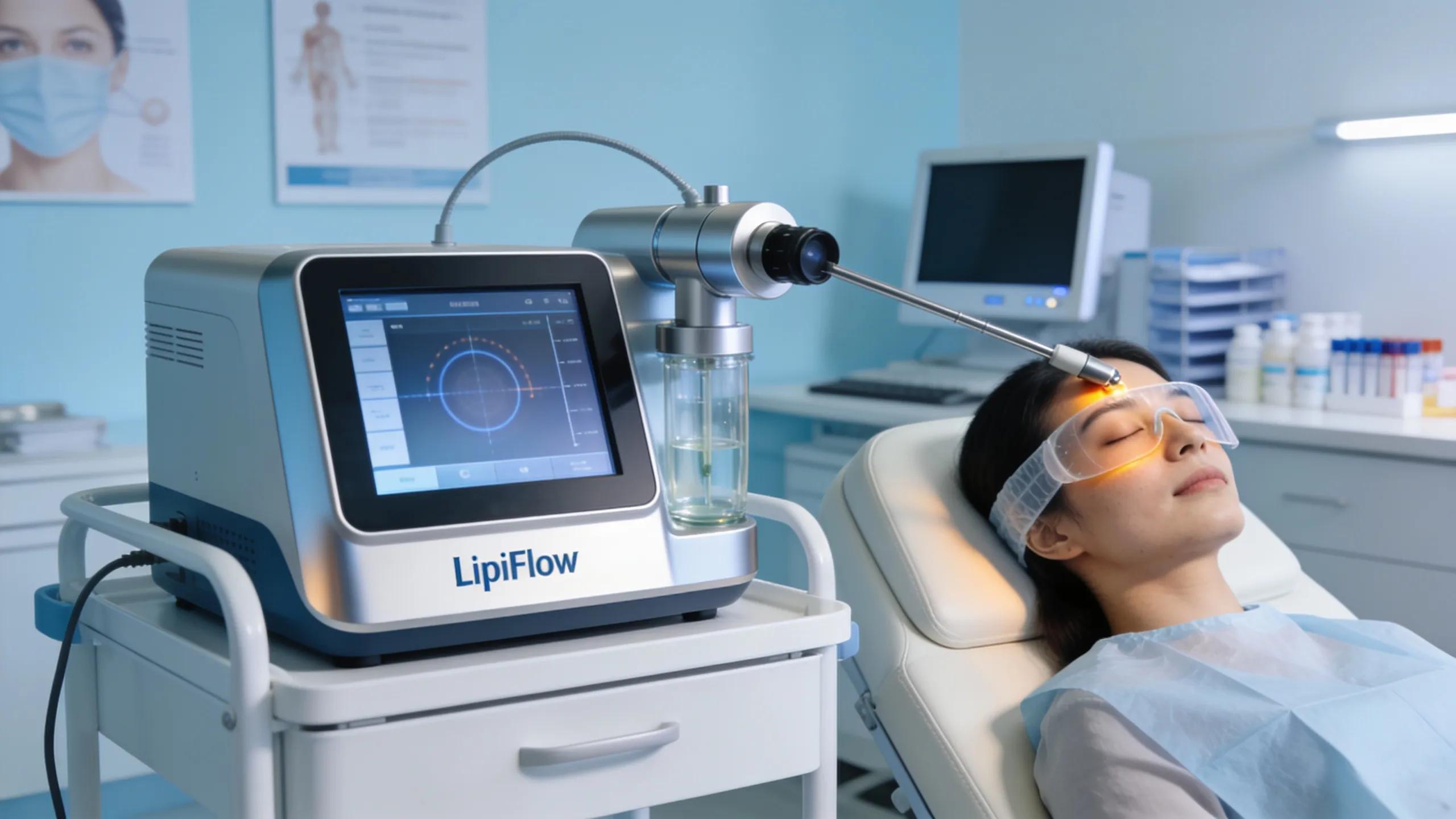
LipiFlow uses controlled heat and gentle pressure to unblock meibomian glands, helping them produce the oils that stabilize your tear film. This procedure targets the root of many evaporative dry eye cases and often delivers noticeable symptom relief.
- Mechanism of action of LipiFlow: Heat softens hardened secretions while pulsatile pressure clears the glands, restoring natural oil flow.
- Effectiveness and patient outcomes: Clinical studies and patient reports show improved gland function and reduced symptoms following treatment.
- Personalized treatment options: At Your Eye Institute, we tailor LipiFlow timing and follow-up care to each patient’s needs to maximize lasting benefit.
LipiFlow is a leading option for patients with gland-related dry eye, offering a clinic-based solution that pairs well with other personalized therapies.
What Is the LipiFlow Procedure and How Does It Work?
Knowing what to expect makes the decision easier. The LipiFlow procedure is straightforward and performed in-office under topical anesthesia.
- Preparation steps for the procedure: A topical anesthetic is applied so patients remain comfortable during the session.
- Mechanics of LipiFlow: The device applies controlled heat and gentle massage to liquefy and express gland secretions.
- Expected outcomes post-treatment: Many patients notice reduced symptoms and improved tear stability within weeks; results vary and are discussed during your consultation.
Who Is an Ideal Candidate for LipiFlow Therapy?
LipiFlow benefits many, but candidacy depends on gland health and overall eye condition.
- Eligibility criteria for LipiFlow: Typically recommended for adults with meibomian gland dysfunction contributing to evaporative dry eye.
- Common symptoms indicating candidacy: Persistent burning, fluctuating vision, or discomfort that affects daily activities are common reasons to consider treatment.
- Expected outcomes for suitable patients: When appropriate, patients often experience better tear quality and lasting symptom relief.
What Are the Benefits and Process of Intense Pulsed Light Therapy for Dry Eye?
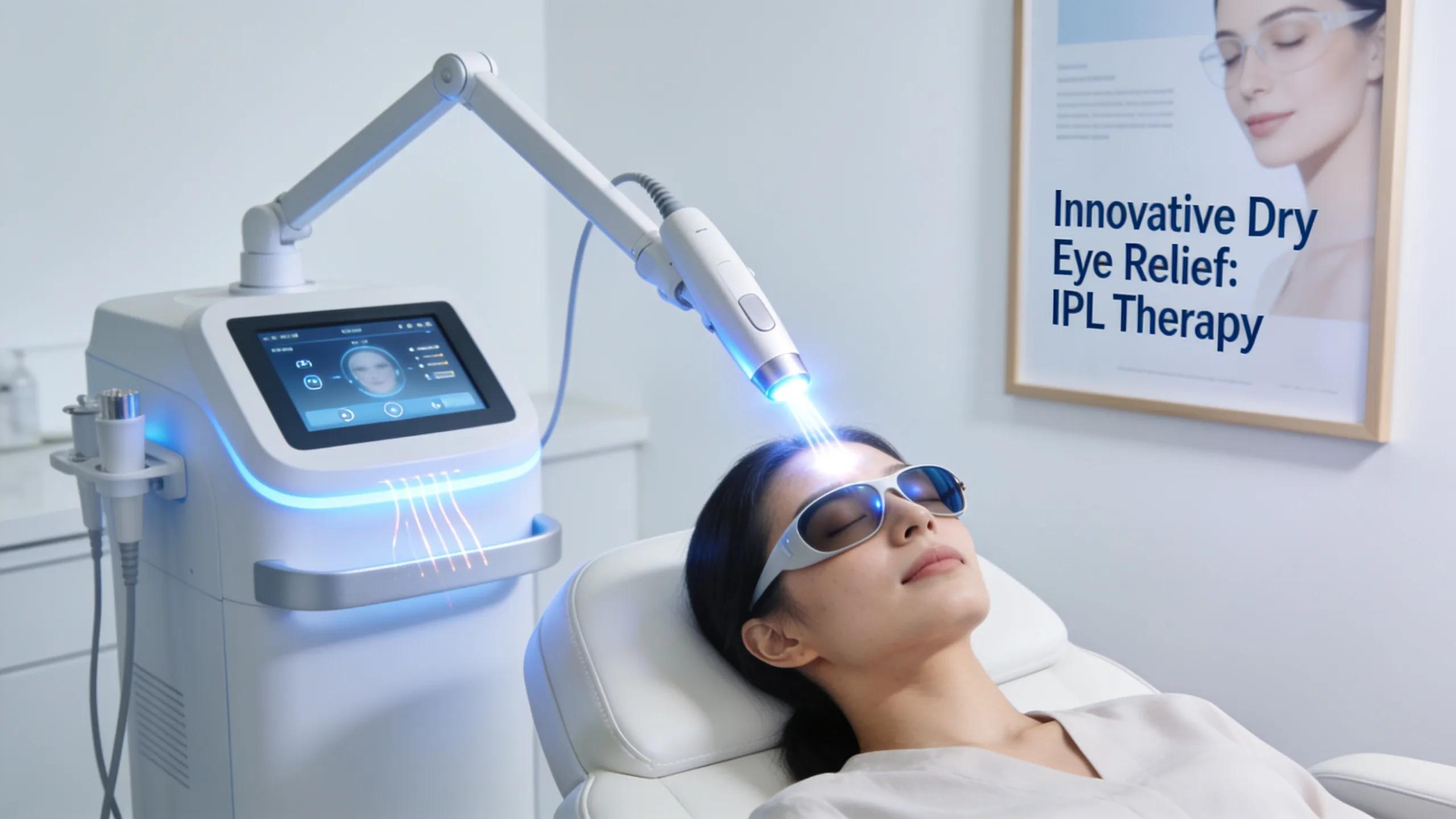
Intense Pulsed Light (IPL) treats periocular inflammation that can worsen dry eye. By targeting abnormal vessels and inflammation, IPL often improves tear film performance and comfort.
- Mechanisms of IPL therapy: Pulses of light reduce eyelid inflammation and abnormal blood vessels that contribute to ocular surface disease.
- Effectiveness in dry eye treatment: Many patients see meaningful symptom reductions after a series of IPL sessions.
- Procedure outline and safety: Treatments are typically well tolerated with minimal downtime when performed by trained clinicians.
How Does IPL Therapy Improve Tear Film Stability?
IPL’s benefits center on reducing inflammation and improving gland health to slow tear evaporation.
- Mechanism of vascular photothermolysis: IPL coagulates problematic vessels, lowering local inflammation and supporting a healthier ocular surface.
- Benefits for meibomian glands: By reducing inflammation and restoring gland function, the oil layer of the tear film becomes more effective at preventing evaporation.
- Clinical outcomes for patients: Many report less dryness and better comfort after completing IPL treatment.
What Are the Typical IPL Treatment Sessions and Possible Side Effects?
Understanding the course and potential effects helps set expectations for IPL therapy.
- Session frequency and duration: Sessions are scheduled several weeks apart; the exact plan is personalized to your response and needs.
- Common side effects: Mild redness or swelling can occur but usually subsides within hours to days.
- Safety and effectiveness: When delivered by qualified providers, IPL is a safe, effective option for many patients with inflammatory dry eye.
How Can Patients Manage Dry Eye Symptoms at Home and When Should They Seek Professional Care?
Home care is an important part of a complete treatment plan. Simple, consistent steps can reduce symptoms and complement in-office treatments.
- Home remedies for symptom relief: Over-the-counter artificial tears, warm compresses, and lid hygiene often relieve mild symptoms.
- When to seek professional help: If symptoms persist, worsen, or affect your daily life, schedule an evaluation so we can diagnose the cause and recommend targeted therapy.
What Home Care Tips Help Relieve Mild to Moderate Dry Eye Symptoms?
Daily habits can protect your eyes and improve comfort:
- Use of artificial tears: Lubricating drops provide quick symptom relief—choose preservative-free options for frequent use.
- Staying hydrated: Adequate fluid intake supports natural tear production.
- Screen break strategies: Follow the 20-20-20 rule to reduce blink suppression and digital eye strain.
These measures often ease mild to moderate symptoms and work best when combined with regular eye care.
When Is It Necessary to Schedule an Appointment at Your Eye Institute?
Timely evaluation ensures the best outcomes. Consider scheduling an appointment if:
- Signs that indicate a need for professional evaluation: Symptoms don’t improve with home care, new or worsening pain occurs, or vision becomes affected.
- Importance of regular eye health check-ups: Routine exams help detect changes early and let us adjust treatments for optimal results.
Your Eye Institute is dedicated to building individualized care plans that address the root causes of dry eye and restore lasting comfort. If you’re experiencing symptoms, contact us to discuss the right treatment path for your eyes.