by theeyeinstitute | Mar 5, 2018 | Blog
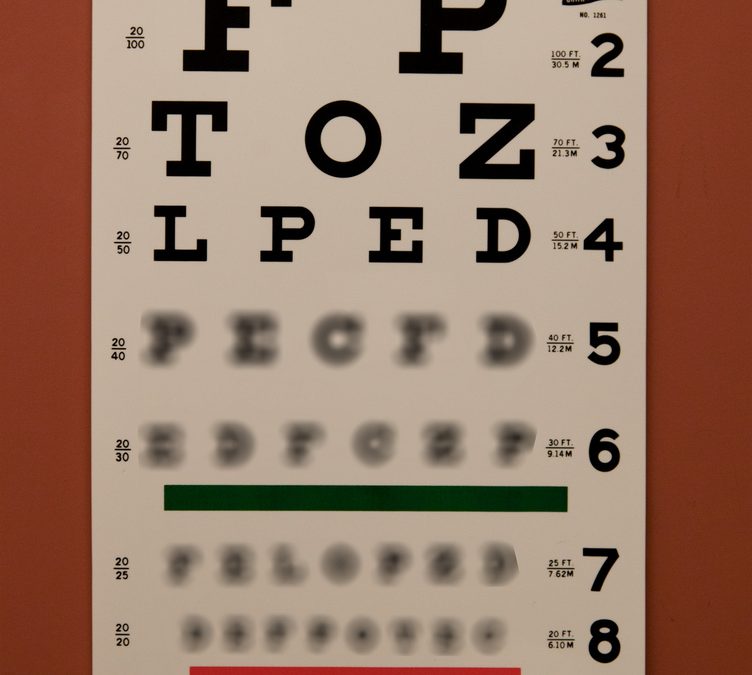
What to Expect During a Routine Eye Exam Routine eye exams are straightforward, quick and painless. Most doctors recommend screening your vision on an annual basis to ensure your vision prescription is up to date (or to determine you need one) and to make sure...

by theeyeinstitute | Mar 5, 2018 | Blog
Imagine trying to succeed at work at school if you could not see clearly. Unfortunately, that’s the reality for far too many people in the world. Whether they cannot afford eye care, are blind or have a vision disability, poor eyesight makes life much more...

by theeyeinstitute | Mar 5, 2018 | Blog
Glaucoma is a serious disorder that can damage the optic nerves of your eyes if left untreated. The optic nerve carries images from your eyes to your brain. If the nerve is damaged, full or partial vision loss can occur. In some cases, people develop glaucoma because...

by theeyeinstitute | Mar 5, 2018 | Blog
If you have never suffered from dry eye, you might not appreciate how important your tears are to your eye health. Without enough moisture, your eyes can become dry, itchy, red and uncomfortable. Dry eye occurs when you do not make enough tears or the tears you...
by theeyeinstitute | Mar 5, 2018 | Blog
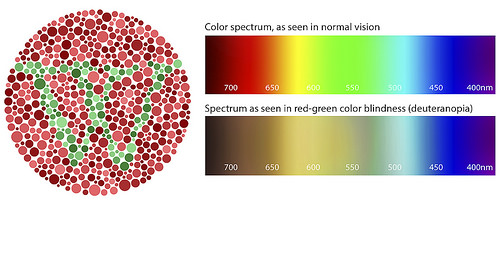
Contrary to its name, color blindness does not mean that you cannot see any colors. You may see some colors just fine, but may be unable to distinguish between other colors. What Causes Color Blindness? Color blindness is usually inherited, although some conditions...