


Frequently Asked Questions
None - No questions provided for evaluation?
The absence of questions indicates that there are currently no inquiries about color blindness or related topics. For any specific concerns or information, we encourage reaching out for personalized assistance at Your Eye Institute.
What causes red-green color blindness?
The causes of red-green color blindness are primarily genetic, resulting from mutations in the genes responsible for producing photopigments in the cone cells of the retina. This condition affects the perception of red and green hues, leading to difficulty distinguishing between these colors.
How is red-green color blindness diagnosed?
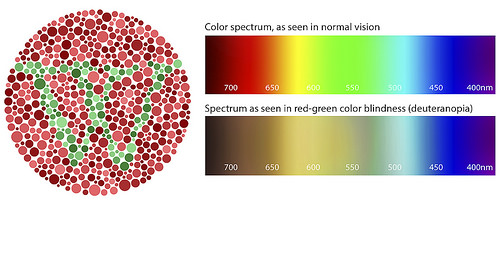
Red-green color blindness is diagnosed through a series of vision tests, including the Ishihara test, where individuals identify numbers within colored dot patterns, and other color vision assessments conducted by an eye care professional.
What are the symptoms of red-green color blindness?
The symptoms of red-green color blindness include difficulty distinguishing between red and green hues, leading to challenges in identifying colors in everyday situations, such as traffic lights and colored objects.
Can red-green color blindness be treated?
Red-green color blindness cannot be cured, but various aids, such as color-corrective glasses and contact lenses, can help individuals distinguish colors better. It’s important to consult an eye care professional for personalized solutions.
What aids help with red-green color blindness?
Aids that help with red-green color blindness include special tinted glasses that enhance color perception, color filters for screens, and mobile apps designed to assist with color identification. These tools can improve daily activities for those affected.
How does red-green color blindness affect daily life?
Red-green color blindness affects daily life by making it challenging to distinguish between certain colors, which can impact activities such as reading traffic lights, choosing clothing, and identifying ripe fruits, potentially leading to misunderstandings or safety concerns.
Are there different types of red-green color blindness?
There are indeed different types of red-green color blindness. The two main types are protanopia, which affects red perception, and deuteranopia, which impacts green perception, leading to varying experiences in color differentiation.
What tests are used for color blindness?
The tests used for color blindness include the Ishihara test, which uses colored plates to identify color perception issues, and the Farnsworth-Munsell 100 Hue test, assessing the ability to distinguish colors across the spectrum.
How common is red-green color blindness?
Red-green color blindness is one of the most common forms of color vision deficiency, affecting approximately 8% of men and 0.5% of women of Northern European descent.
What genetic factors influence red-green color blindness?
The genetic factors influencing red-green color blindness involve mutations in the X chromosome, specifically affecting the genes responsible for producing photopigments in the cone cells of the retina. This condition is often inherited in an X-linked recessive pattern.
Can color blindness be inherited from parents?
Color blindness can indeed be inherited from parents. It is primarily passed down through genes, particularly affecting males due to its link with the X chromosome.
What professions are affected by color blindness?
Certain professions are significantly affected by color blindness, particularly those in fields like aviation, graphic design, electrical work, and medical professions, where color differentiation is crucial for safety and accuracy.
How can I support someone with color blindness?
Supporting someone with color blindness involves understanding their condition, being patient, and offering assistance in situations where color differentiation is crucial, such as choosing clothing or navigating environments with color-coded information.
What are the challenges of red-green color blindness?
The challenges of red-green color blindness include difficulties in distinguishing between certain colors, which can affect daily activities, educational experiences, and job opportunities. This condition may lead to misunderstandings in color-coded information and can impact social interactions.
How does red-green color blindness impact education?
Red-green color blindness can significantly impact education by affecting a student's ability to distinguish between colors in learning materials, which may hinder their understanding of diagrams, charts, and color-coded information. This can lead to challenges in subjects like science and art.
Are there apps for color blindness assistance?
There are several apps available for color blindness assistance. These applications can help individuals identify colors, apply filters to enhance color perception, and provide information about color-coded items, making daily tasks easier for those affected by color vision deficiencies.
What colors are difficult for red-green color blind individuals?
Red-green color blind individuals often struggle to differentiate between shades of red and green, making colors like brown, orange, and certain shades of purple particularly challenging to identify.
How can I identify color blindness in children?
Identifying color blindness in children involves observing their ability to distinguish between colors, particularly red and green. Signs may include difficulty naming colors, confusion with color-based tasks, or consistently choosing incorrect colors in activities.
What is the prevalence of red-green color blindness?
The prevalence of red-green color blindness is significant, affecting approximately 8% of males and 0.5% of females of Northern European descent. It is the most common form of color blindness, impacting daily life for many individuals.
How does color blindness affect color perception?
Color blindness affects color perception by altering the way individuals see and distinguish colors. Those with the condition may struggle to differentiate between specific colors, particularly red and green, or blue and yellow, impacting their overall visual experience.
What resources are available for color blindness education?
Resources for color blindness education include online platforms, informative websites, and support groups that offer articles, videos, and interactive tools. Your Eye Institute also provides professional guidance and testing options to better understand and manage color vision issues.
Can color blindness be detected in infants?
Color blindness can be detected in infants through specialized testing. While traditional tests are typically administered to older children and adults, some methods can assess color vision in infants as early as six months of age.
What lifestyle adjustments help color blind individuals?
Lifestyle adjustments that help color blind individuals include using high-contrast colors for better visibility, labeling items with clear text or symbols, and utilizing color identification apps to assist in distinguishing colors in daily tasks.
How does red-green color blindness vary among individuals?
Red-green color blindness varies among individuals in terms of severity and specific color perception. Some may struggle to distinguish between red and green hues, while others might only have difficulty with certain shades, affecting their daily experiences differently.
What role do color filters play in color blindness?
The role of color filters in color blindness is to enhance color perception by altering the wavelengths of light that reach the eyes, helping individuals distinguish between colors they typically find challenging to see.
How can technology assist those with color blindness?
Technology can assist those with color blindness by providing tools such as color identification apps, enhanced visual aids, and smart glasses that filter colors, helping individuals better distinguish between hues and navigate their environment more effectively.
What are the psychological effects of color blindness?
The psychological effects of color blindness can include feelings of frustration, anxiety, and social isolation, as individuals may struggle with tasks that rely on color differentiation and face challenges in social settings where color perception is important.
How does red-green color blindness affect driving?
Red-green color blindness can affect driving by impairing the ability to distinguish between traffic lights and signs that rely on these colors, potentially leading to difficulties in recognizing stop signals and other critical visual cues on the road.
What are the latest research findings on color blindness?
The latest research findings on color blindness indicate advancements in genetic therapies and visual aids, enhancing diagnosis and management. Studies also explore the neurological basis of color perception, offering insights into potential future treatments for affected individuals.