
by theeyeinstitute | Mar 5, 2018 | Blog
Good peripheral vision is a commonly overlooked attribute in great athletes. Some say peripheral vision gave Wayne Gretzky his incredible on-ice awareness. Peripheral vision helps race car drivers know when to pour on the speed and allows baseball players to tag a...

by theeyeinstitute | Mar 5, 2018 | Blog
A stye, medically known as a hordeolum, appears in the eyelid area as a red pimple-like bump, and is usually tender or painful. Styes typically occur near the lash line (external hordeolum), but can also appear on the underside of the eyelid (internal hordeolum). In...

by theeyeinstitute | Mar 5, 2018 | Blog
In the summer of 2013, news spread quickly about a dangerous new trend, called “worming” or oculolinctus, and a serious outbreak of disease among Japanese youth. Upon further investigation, many news sources retracted or amended previously published...
by theeyeinstitute | Mar 5, 2018 | Blog
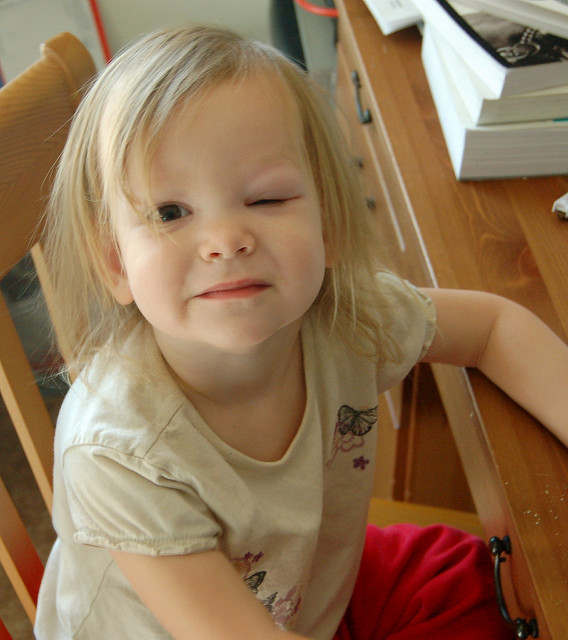
Swollen eyelids can be uncomfortable and unattractive. Swollen eyelids are associated with a variety of symptoms that can hamper or affect vision. While most cases of swollen eyelids are not serious, several serious conditions may cause swollen eyelids. Without proper...

by theeyeinstitute | Mar 5, 2018 | Blog
For many, the term binocular vision conjures images of super powers or the rare ability to spot objects far away, but having binocular vision simply means having two eyes with which to see. Binocular vision does lend creatures with two eyes advantages over those with...