
by buca3sport | Aug 23, 2022 | Blog
We have a lot of fun stuff coming up at The Eye Institute, so mark your calendars! After a 2 year COVID hiatus, we are bringing back our annual Give Back day in Knightdale. It will be on Saturday September 10th. We give away 100 free eye exams and 100 free pairs...

by buca3sport | Jul 19, 2022 | Blog
You can count on your independent local optometrist to provide you with exceptional care combined with the personal touch of a professional who lives in the community and relies on happy patients referring their friends and family for all of their vision care needs....

by buca3sport | Jun 22, 2022 | Blog
A recent study shows that children’s eyes absorb more blue light from devices than adults’ eyes do, and that blue light can affect their sleep cycles making it harder for them to unwind at night. If you have kids at home, you know that the amount of time...
by buca3sport | May 24, 2022 | Blog, News
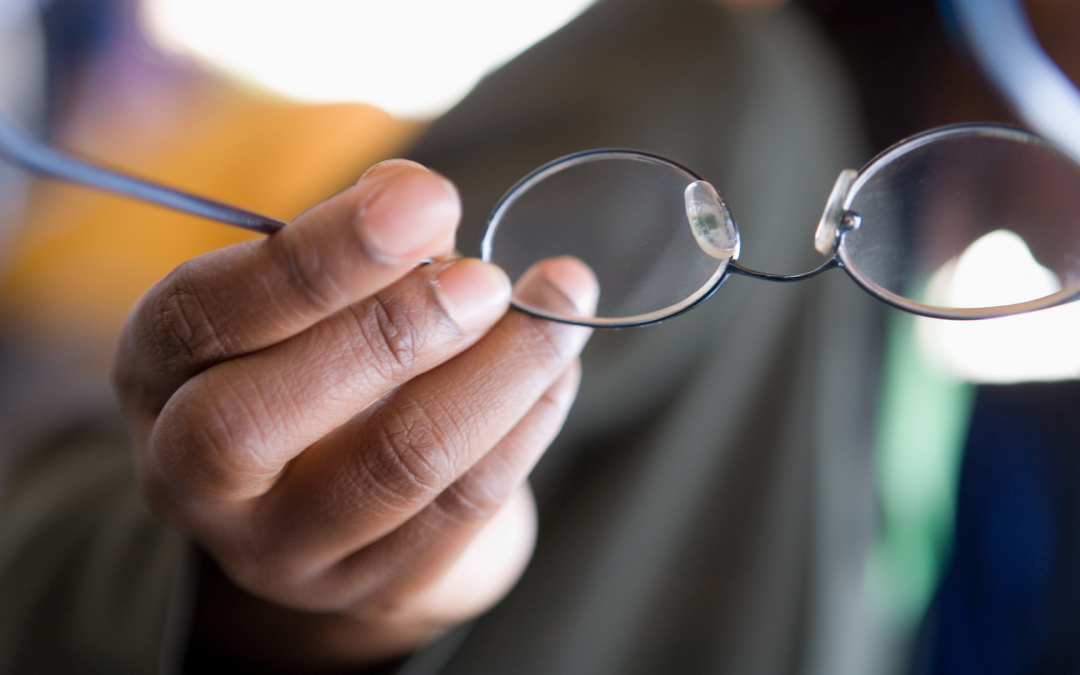
Your Eye Institute doctor will show you how to properly clean and care for your glasses so that they last a very long time. If you know that you will be rough on your eyewear, request heavy duty options when selecting frames and our team can advise you. Here are...

by buca3sport | Apr 21, 2022 | Blog
You may have seen television commercials recently about an eye drop that can replace the use of reading glasses. Wait. What!?! Yes, it’s called Vuity, and it’s the first FDA-approved eye drop to treat the condition known as presbyopia, which tends to...