Understanding Common Eye Conditions
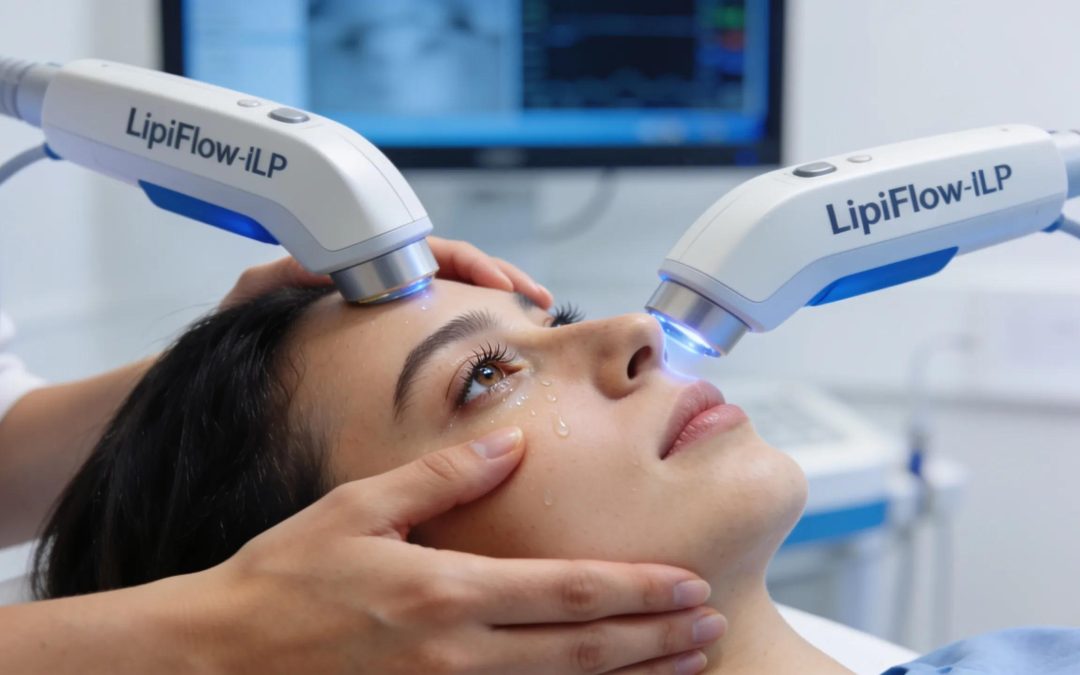
Eye conditions can range from mild irritations to serious health issues. Understanding these conditions is crucial for early detection and effective treatment. Conditions such as dry eye syndrome, glaucoma, and cataracts are prevalent and can significantly impact vision if left untreated.
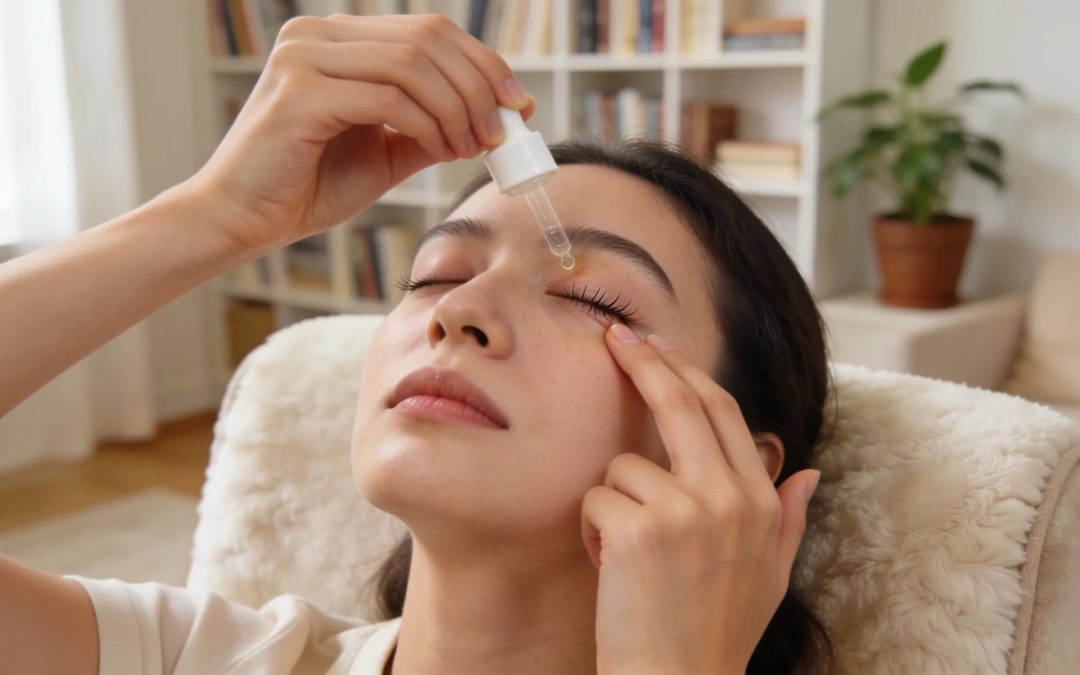
For example, dry eye syndrome is often aggravated by environmental factors and can lead to discomfort and vision problems. Regular eye examinations help in identifying these conditions early, allowing for timely interventions that can preserve eye health and improve quality of life.
Tips for Maintaining Eye Health
Maintaining eye health is essential for overall well-being. Simple lifestyle changes can significantly reduce the risk of eye diseases and improve vision quality. Incorporating a balanced diet rich in vitamins A, C, and E, along with regular exercise, can contribute to better eye health.
Additionally, protecting your eyes from harmful UV rays by wearing sunglasses and taking regular breaks from screens can prevent strain and long-term damage. Regular visits to an eye care professional for comprehensive eye exams are also vital in monitoring eye health.
The Importance of Regular Eye Exams
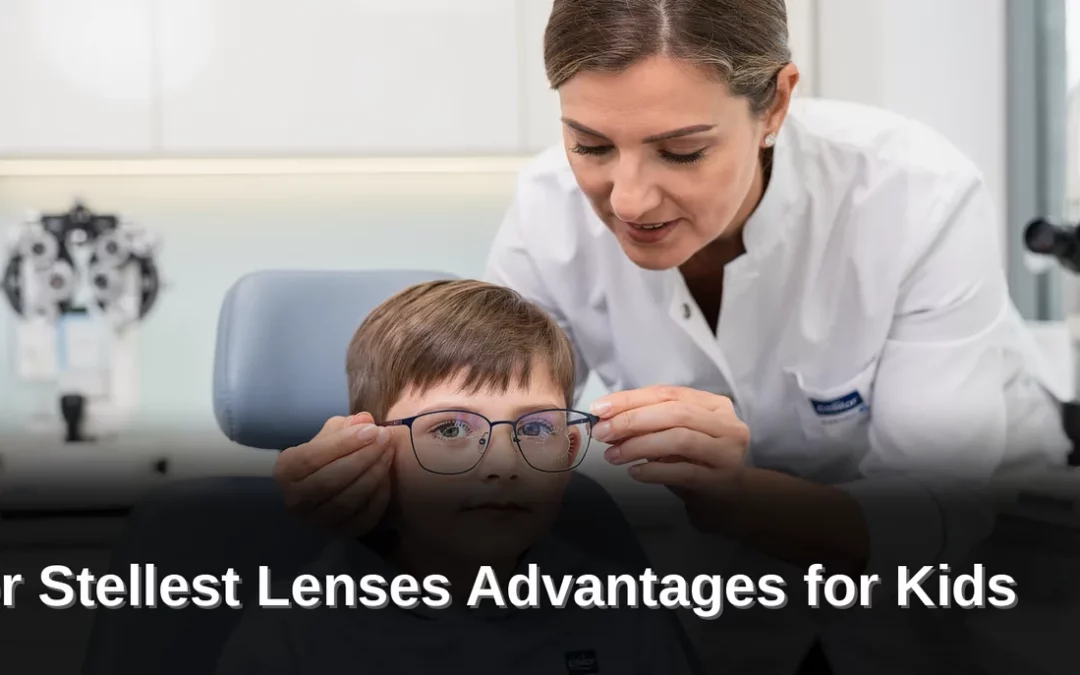
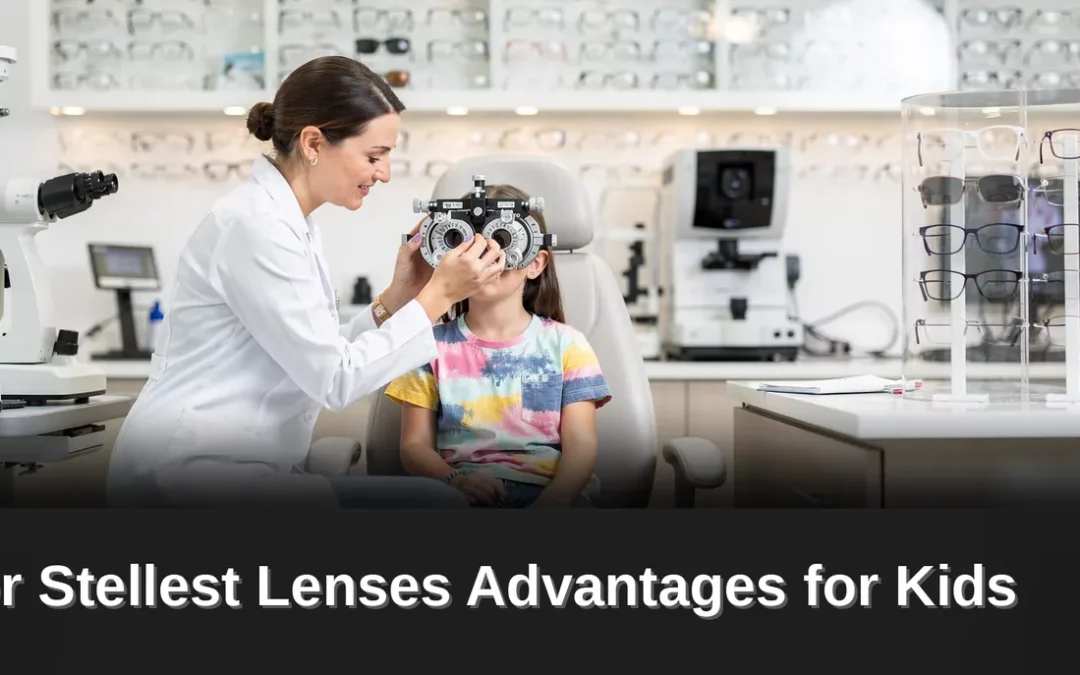
Regular eye exams are a cornerstone of preventive eye care. These exams not only assess vision acuity but also help detect underlying health issues that may not present obvious symptoms. Early detection of conditions like diabetes or hypertension can be critical for overall health.
During an eye exam, a comprehensive evaluation can lead to personalized recommendations for vision correction or treatment options. It’s recommended that adults have an eye exam every one to two years, depending on age and risk factors, ensuring that any changes in vision or eye health are addressed promptly.
Choosing the Right Contact Lenses
Selecting the right contact lenses is essential for comfort and eye health. With various types available, including daily disposables, extended wear, and toric lenses for astigmatism, understanding your specific needs is crucial. Consulting with an eye care professional can help determine the best option for your lifestyle and vision requirements.
Moreover, proper care and hygiene are vital to prevent infections and complications associated with contact lens wear. Following prescribed wearing schedules and cleaning routines can enhance comfort and prolong the life of your lenses, ensuring a safe and effective vision correction solution.