
by theeyeinstitute | Mar 5, 2018 | Blog
Eyestrain is a very common problem that causes sore, itchy, tired eyes that burn and water. Eyestrain can also result in headaches, sore neck and back, sensitivity to light, and difficulty focusing. While anyone can suffer eyestrain, using a computer is one of...
by theeyeinstitute | Mar 5, 2018 | Blog
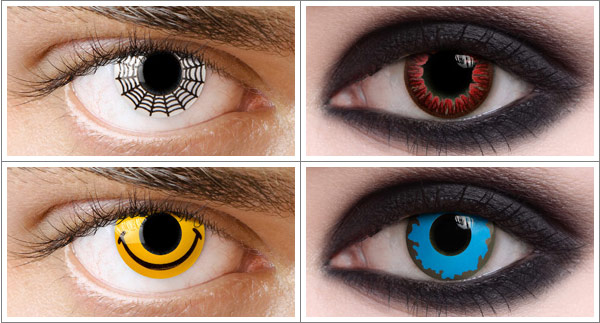
Specialty contact lenses are a fun way to change your eyes to look like your favorite entertainer or to create a spectacular costume. Specialty contacts, sometimes called decorative, fashion or theater contact lenses, temporarily change the look of your eyes without...

by theeyeinstitute | Mar 5, 2018 | Blog
Finding a great looking eyeglass frame can be tough work. What looks good on you? Should you go with round lenses, or square? What should your frame be made out of? Choosing the material of your eyeglass frame is the first order of business, since that will narrow...

by theeyeinstitute | Mar 5, 2018 | Blog
Our lives are governed by our five senses — sight, sound, taste, smell and touch. We use our senses on a daily basis to execute the most basic tasks, but how much do we really know about how they function? For instance, do you understand how the sense of sight works?...
by theeyeinstitute | Mar 5, 2018 | Blog
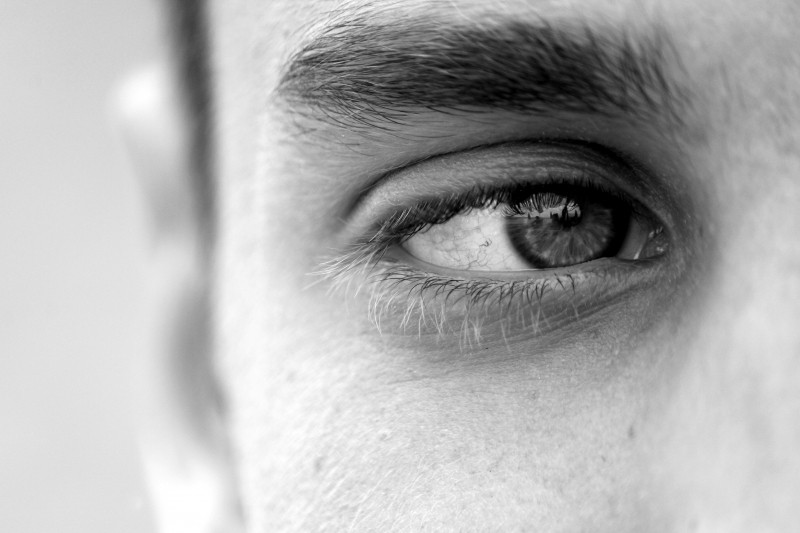
Our lives are governed by our five senses — sight, sound, taste, smell and touch. We use our senses on a daily basis to execute the most basic tasks, but how much do we really know about how they function? For instance, do you understand how the sense of sight works?...