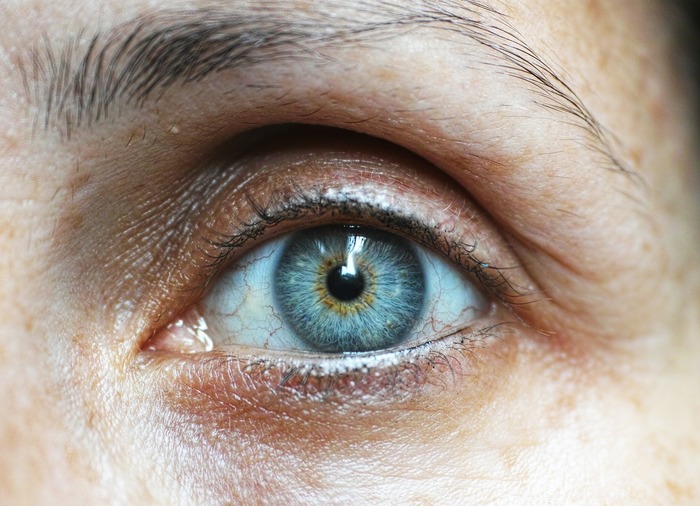
Understanding Common Eye Conditions
Eye conditions such as cataracts, macular degeneration, and diabetic retinopathy affect millions of people worldwide. Understanding these conditions is essential for early detection and effective treatment, enabling individuals to maintain their vision and quality of life.
For instance, cataracts, which cause clouding of the lens, can often be treated with surgery to restore clear vision. Regular eye exams can help identify these conditions before they progress, allowing patients to take proactive steps in managing their eye health.
Tips for Healthy Vision
Maintaining healthy vision involves a combination of lifestyle choices and regular eye care. Simple practices such as wearing sunglasses, eating a balanced diet rich in vitamins, and taking breaks from screens can significantly contribute to long-term eye health.
For example, incorporating foods high in omega-3 fatty acids and antioxidants can help protect the eyes from age-related damage. Additionally, the 20-20-20 rule—taking a 20-second break to look at something 20 feet away every 20 minutes—can alleviate digital eye strain.
Choosing the Right Eyewear
Selecting the proper eyewear is crucial not only for vision correction but also for comfort and style. Understanding the different types of lenses and frames available can help individuals make informed decisions that suit their specific needs.
For instance, progressive lenses offer a seamless transition between different vision zones, making them ideal for those who require multifocal correction. Additionally, frame materials such as titanium or plastic can provide varying levels of durability and weight, catering to different lifestyle preferences.
Importance of Regular Eye Exams
Regular eye examinations are vital for maintaining optimal vision and overall eye health. These check-ups allow eye care professionals to detect potential issues early, ensuring timely intervention and treatment.
Studies indicate that many serious eye conditions, such as glaucoma and retinal detachment, often present no symptoms in their early stages. By adhering to recommended exam schedules, individuals can safeguard their vision against preventable loss.