Understanding Common Eye Conditions
Eye conditions such as myopia, hyperopia, and astigmatism are common among individuals of all ages. Understanding these conditions is crucial for maintaining optimal eye health and ensuring timely treatment. By recognizing the symptoms and seeking professional advice, patients can prevent further deterioration of their vision.
For instance, myopia, or nearsightedness, affects millions globally and is often first diagnosed in childhood. Regular eye exams can help identify these issues early, allowing for corrective measures such as glasses or contact lenses, which can significantly improve quality of life.
Tips for Maintaining Eye Health Year-Round
Maintaining eye health requires consistent care and attention throughout the year. Simple practices, such as taking regular breaks from screens, ensuring proper lighting while reading, and consuming a balanced diet rich in vitamins A, C, and E, can contribute significantly to eye wellness.
Additionally, staying hydrated and protecting your eyes from harmful UV rays by wearing sunglasses can prevent long-term damage. Incorporating these habits into your daily routine can lead to healthier eyes and improved vision over time.
Importance of Regular Eye Exams
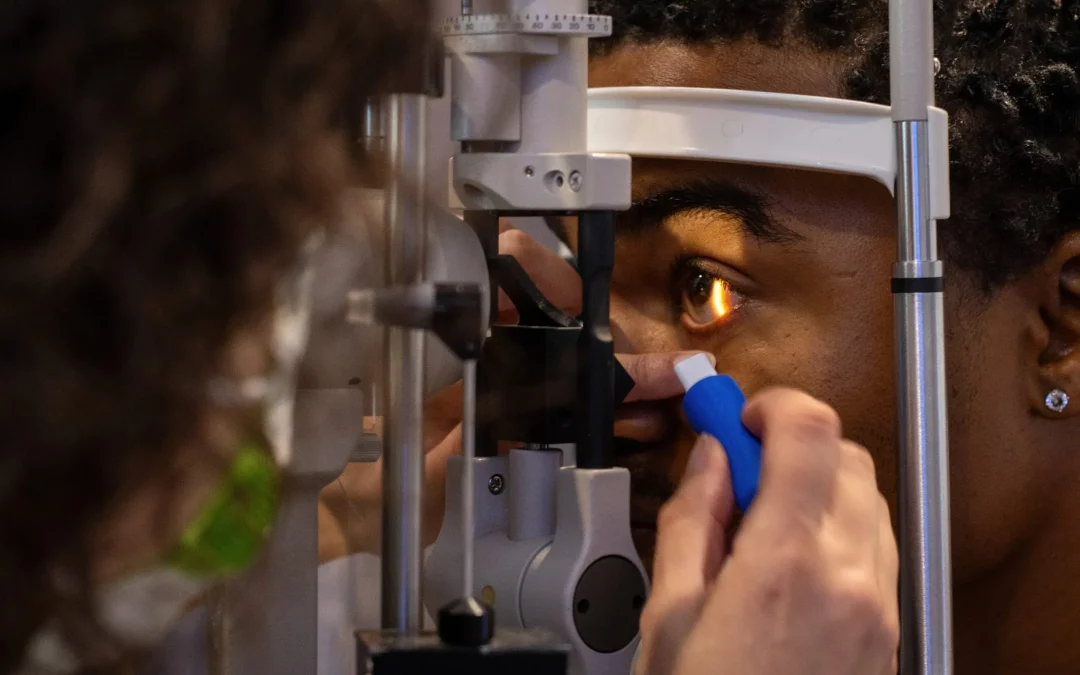
Regular eye exams are essential for detecting potential issues before they become serious. Many eye diseases, such as glaucoma and diabetic retinopathy, can develop without noticeable symptoms, making it crucial to have routine check-ups with an eye care professional.
An eye exam can also provide insights into overall health, as certain systemic conditions like hypertension and diabetes can be identified through eye assessments. The Eye Institute recommends scheduling annual exams to ensure your vision remains sharp and your eyes stay healthy.
How to Choose the Right Eyewear
Selecting the right eyewear is vital for both comfort and visual clarity. Factors such as lifestyle, prescription needs, and personal style should all be considered when choosing glasses or contact lenses. Consulting with an eye care specialist can help guide these choices effectively.
For example, individuals who spend significant time outdoors may benefit from sunglasses with UV protection, while those who work at computers might require anti-reflective lenses. Understanding these options can enhance both eye health and daily functionality.
Understanding Common Eye Conditions
Eye conditions such as myopia, hyperopia, and astigmatism are common among individuals of all ages. Understanding these conditions is crucial for maintaining optimal eye health and ensuring timely treatment. By recognizing the symptoms and seeking professional advice, patients can prevent further deterioration of their vision.
For instance, myopia, or nearsightedness, affects millions globally and is often first diagnosed in childhood. Regular eye exams can help identify these issues early, allowing for corrective measures such as glasses or contact lenses, which can significantly improve quality of life.
Tips for Maintaining Eye Health Year-Round
Maintaining eye health requires consistent care and attention throughout the year. Simple practices, such as taking regular breaks from screens, ensuring proper lighting while reading, and consuming a balanced diet rich in vitamins A, C, and E, can contribute significantly to eye wellness.
Additionally, staying hydrated and protecting your eyes from harmful UV rays by wearing sunglasses can prevent long-term damage. Incorporating these habits into your daily routine can lead to healthier eyes and improved vision over time.
Importance of Regular Eye Exams
Regular eye exams are essential for detecting potential issues before they become serious. Many eye diseases, such as glaucoma and diabetic retinopathy, can develop without noticeable symptoms, making it crucial to have routine check-ups with an eye care professional.
An eye exam can also provide insights into overall health, as certain systemic conditions like hypertension and diabetes can be identified through eye assessments. The Eye Institute recommends scheduling annual exams to ensure your vision remains sharp and your eyes stay healthy.
How to Choose the Right Eyewear
Selecting the right eyewear is vital for both comfort and visual clarity. Factors such as lifestyle, prescription needs, and personal style should all be considered when choosing glasses or contact lenses. Consulting with an eye care specialist can help guide these choices effectively.
For example, individuals who spend significant time outdoors may benefit from sunglasses with UV protection, while those who work at computers might require anti-reflective lenses. Understanding these options can enhance both eye health and daily functionality.