

NC Born, Independently Owned, Nationally Recognized
Truly Comprehensive
Eye Care
Nationally Recognized Dry Eye Center
Welcome to The Eye Institute: North Carolina's Premier Dry Eye Center
At The Eye Institute, we are proud to be nationally recognized for our expertise in diagnosing and treating dry eye disease. Other optometrists offer symptom relief; what sets TEI apart is our drive to help alleviate the root cause of the dry eye disease. With five convenient locations across North Carolina, TEI is your source for treatment.
What is Dry Eye?
Dry eye is a common and often frustrating condition that occurs when your eyes don't produce enough tears or when the quality of your tears is compromised.
Dry Eye Symptoms
-
- Red, irritated eyes
- Burning, itching or stinging sensations
- Sensitivity to light
- Blurred vision or difficulty with contact lenses
- A Feeling of something in your eyes (grittiness)
If you’re experiencing any of these symptoms, The Eye Institute can help. Our Dry Eye Center offers state-of-the-art diagnostics and treatments designed to target the root cause of dry and itchy eyes and provide lasting relief.
Is Dry Eye Treatment Right for You?
You may benefit from our dry eye treatment if you experience frequent discomfort, difficulty wearing contact lenses, or increased sensitivity to light. If these symptoms sound familiar, our Dry Eye Center can provide relief tailored to your unique condition.
Advanced Diagnostics & Treatments for Dry Eye
Many of the symptoms experienced by our patients are rooted in dry eye disease. Our expert team performs thorough evaluations to identify the root cause of your dry eye and tailors a treatment plan just for you. Some of our advanced diagnostic and treatment options include:
-
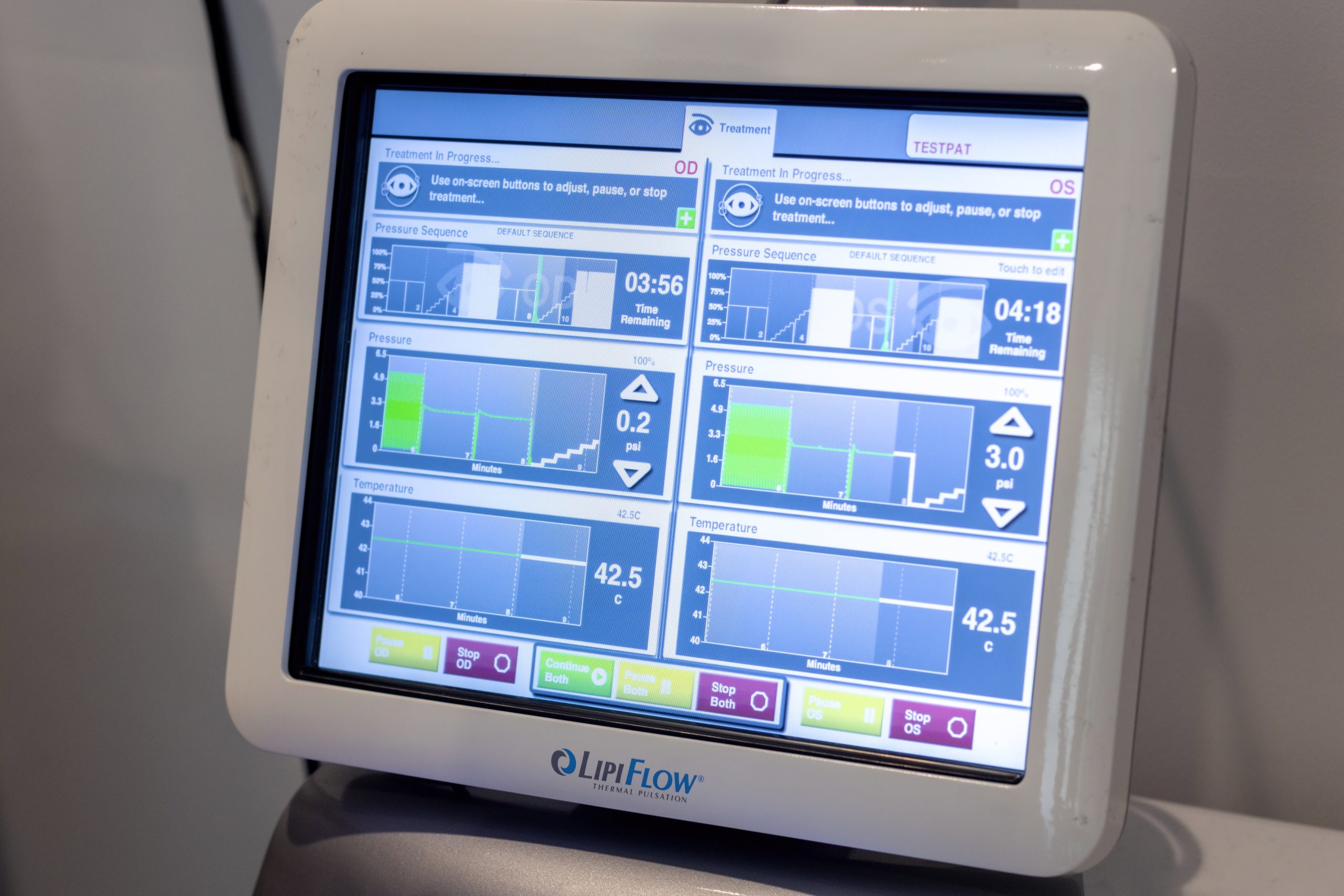
- LipiFlow®: This innovative in-office treatment uses heat and gentle massage to unblock the Meibomian glands, which are often the cause of chronic dry eye.
- TearLab® Osmolarity Testing: Measures the saltiness of your tears to help determine the severity of your dry eye condition.
- Meibography: A state-of-the-art imaging technique to examine the health of your Meibomian glands and detect blockages.
Custom Dry Eye Treatment Plans: Whether it’s prescription eye drops, heat therapies, or lifestyle adjustments, we’ll tailor a custom plan that works best for you.
Why Choose The Eye Institute?
When it comes to treating dry eye, The Eye Institute offers expertise, advanced technology, and personalized care. We are nationally recognized for our leadership in dry eye treatment, offering:
-
- Nationally Recognized Expertise: Our team includes nationally-recognized key opinion leaders within the industry.
- Comprehensive Care: Our approach targets the root cause of dry eyes, providing long-term relief instead of just temporary fixes.
- Cutting-Edge Technology: From LipiFlow® to Intense Pulsed Light for dry eye, we use the latest treatments to ensure you receive the best care possible.
- Convenient Locations: With four offices across North Carolina, top-tier eye care is never far away.
What Our Patients Are Saying
We've helped countless patients find relief from the discomforts of dry eye. Here's what some of them have to say:

Testimonials

I was very pleased with my first visit to the Eye Institute. Everyone was very polite and professional. The care I received was excellent. Their equipment is state of the art. Thank you for your excellent service.
Mary Eshelman

We love this facility and I love my doctor. He listens attentively and explains everything in explicit details. The customer service is also great. Everyone is so pleasant, attentive and helpful! I wouldn't consider going anywhere else!
Angie Hendricks

I have been coming to see Dr. Poirier here for 16 years. He is excellent, and has always taken the time to not just check my vision, but to maintain my eye health. My eyes have changed with age and diabetes, but all of the wonderful staff here have kept my vision as great as ever!
Sarah Dunn

Young man that did my exam was super sweet and did a great job. Everyone at practice is always nice. Dr P is always nice and informative. I am very satisfied with the care I receive.
Tracey Maxwell

This was my 1st visit to this office. Everyone was very friendly, knowledgeable, and helpful. They talked me through a few issues I'd been having that most would just brush off and was super helpful in getting me what I need. I highly recommend Dr. P and his staff to get you what you need.
Brianna Camp

I took my 5 year old for an eye exam and everyone was super friendly, patient and professional. Would highly recommend!
Danielle Driver