by theeyeinstitute | Mar 5, 2018 | Blog
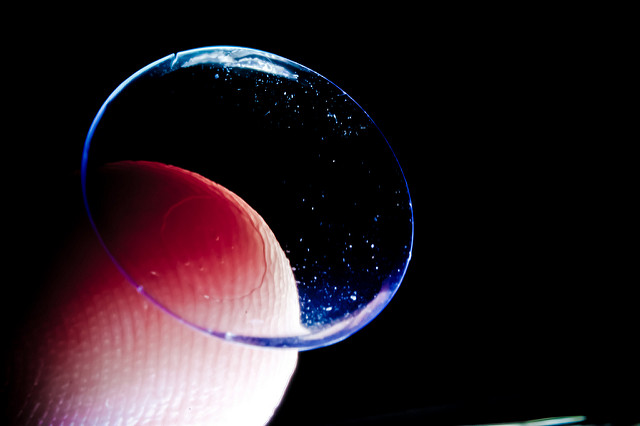
Although glasses are often a lower maintenance choice, many people choose to wear contacts for comfort or aesthetic reasons. Whether you are nearsighted or farsighted, contacts are a safe, easy way to correct your vision to 20/20. With a variety of options to choose...
by theeyeinstitute | Mar 5, 2018 | Blog
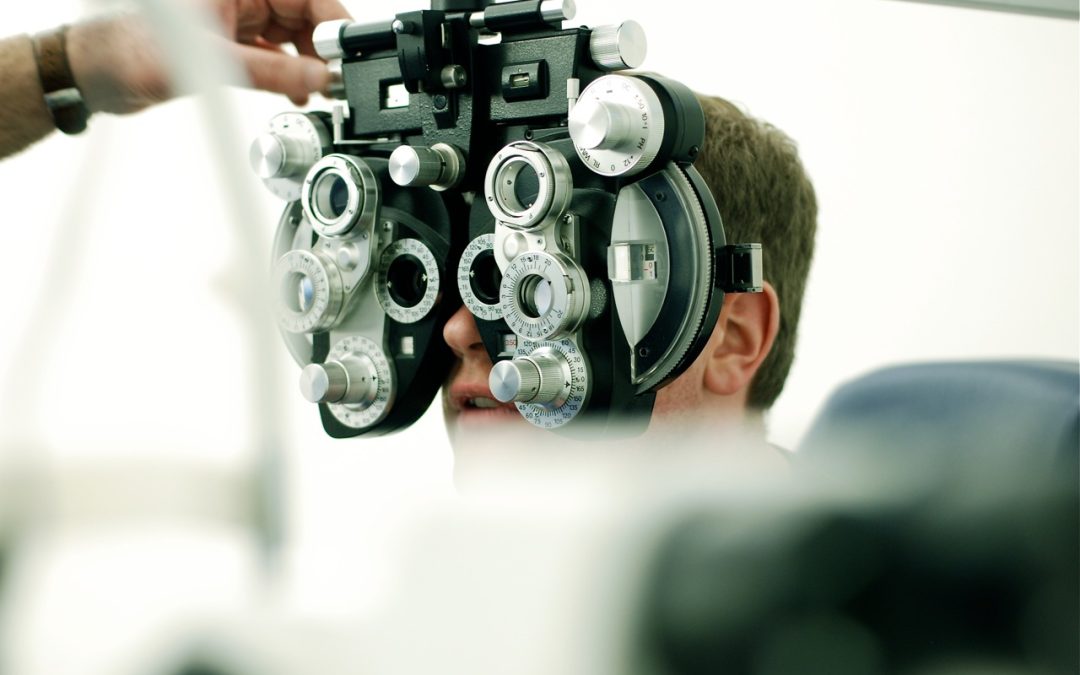
Choosing laser eye surgery is a big decision. Whatever your treatment goal, proper preparation before surgery will help you obtain optimal results, speed up recovery, and minimize potential risks. If you’ve done your homework, then this advanced procedure can...
by theeyeinstitute | Mar 5, 2018 | Blog
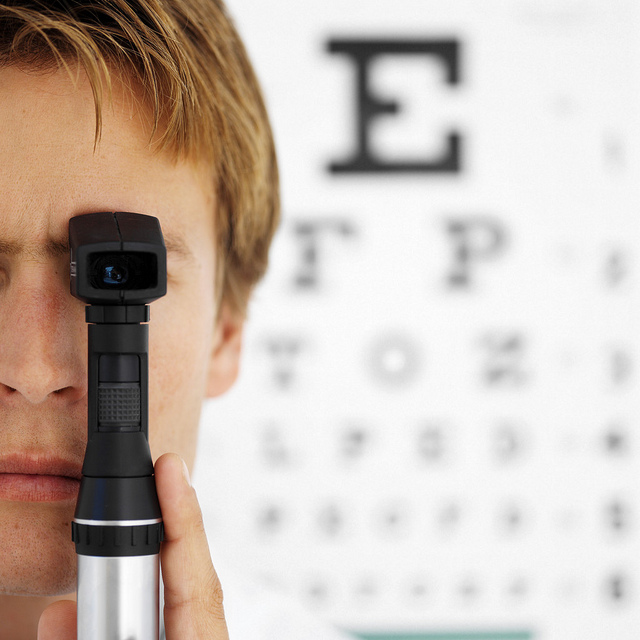
It’s easy to take vision for granted when the eyes perform flawlessly. However, when eye problems crop up, it’s hard not to wonder how the eyes work. In a properly functioning eye, a number of elements must cooperate perfectly to create good vision; just...
by theeyeinstitute | Mar 5, 2018 | Blog
Conjunctivitis in Children Conjunctivitis is by no means limited only to children. An infection or inflammation of the conjunctiva — the membrane within the eyelid and protecting the white aspect of our eyes — can occur in individuals of any age secondary...

by theeyeinstitute | Mar 5, 2018 | Blog
Contacts are a smart choice for individuals who are active and dislike the feeling of wearing glasses. However, the process of caring for contacts and getting used to them can take a week or two. Navigate the transition with ease by learning how to properly care for...