Understanding Dry Eye Syndrome: Causes and Symptoms
Dry eye syndrome is a common condition that occurs when the eyes do not produce enough tears or when the tears evaporate too quickly. This can lead to discomfort, redness, and even vision problems. Understanding the underlying causes, such as environmental factors, aging, or medical conditions, is crucial for effective management.
Symptoms of dry eye syndrome can vary from mild irritation to severe discomfort. Patients may experience a gritty sensation, burning, or excessive tearing as a response to the dryness. Recognizing these symptoms early can help individuals seek appropriate treatments, such as artificial tears or lifestyle modifications.
Choosing the Right Sunglasses for Eye Protection
When selecting sunglasses, it is essential to consider UV protection, lens quality, and style. Sunglasses should block 100% of UVA and UVB rays to ensure optimal eye protection from harmful sun exposure. Additionally, polarized lenses can reduce glare, making them an excellent choice for outdoor activities.
Fashion and function can go hand-in-hand when choosing sunglasses. With various styles available, from aviators to oversized frames, consumers can find options that suit their personal taste while still providing necessary eye protection. Understanding the importance of both aesthetics and eye health can lead to better purchasing decisions.
The Importance of Regular Eye Exams
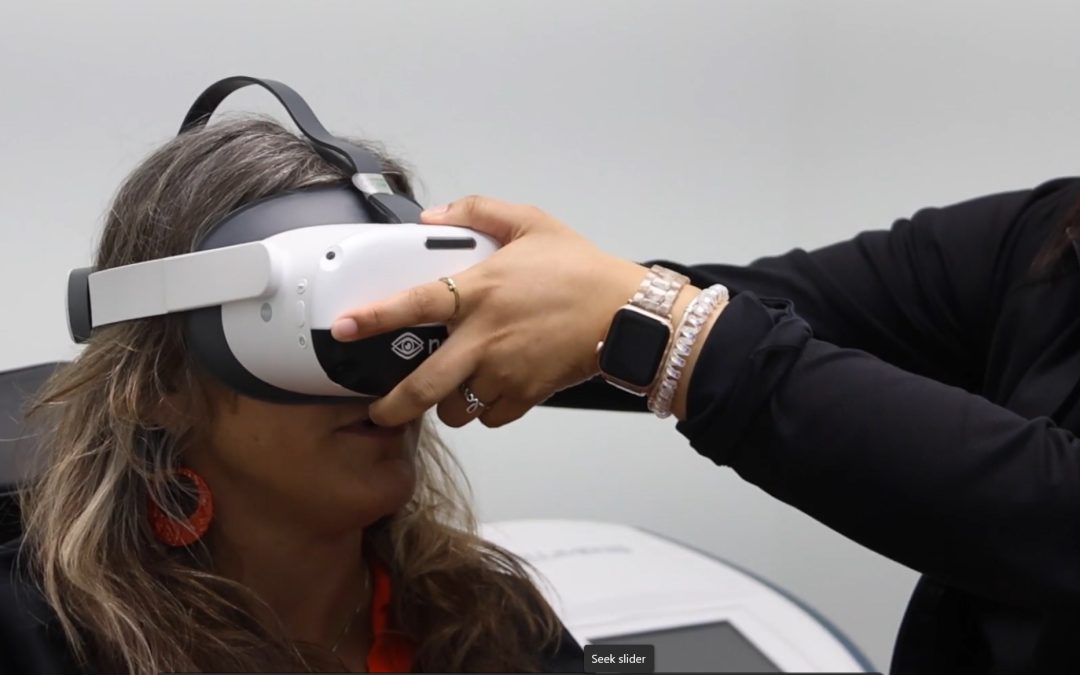
Regular eye exams are vital for maintaining eye health and detecting potential problems early. Eye care professionals can assess vision changes and screen for conditions such as glaucoma, cataracts, and macular degeneration. Early detection often leads to more effective treatment options and better outcomes.
During an eye exam, various tests are conducted to evaluate vision and eye health. These may include visual acuity tests, pressure measurements, and retinal examinations. It is recommended that individuals schedule comprehensive eye exams annually or as advised by their eye care provider, especially if they have existing health conditions or a family history of eye diseases.
Innovations in Contact Lens Technology
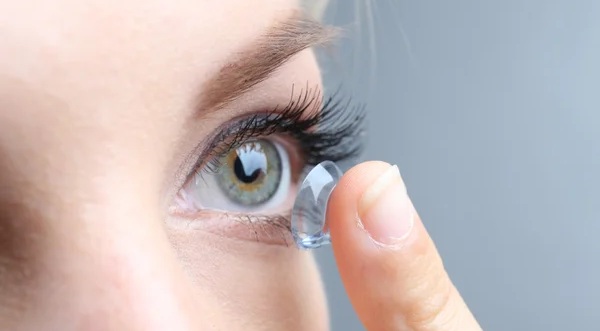
Recent advancements in contact lens technology have transformed the way individuals manage their vision. Innovations such as daily disposable lenses, toric lenses for astigmatism, and lenses designed for extended wear provide patients with more options tailored to their lifestyle and needs.
Furthermore, new materials and designs enhance comfort and eye health. For instance, lenses with moisture-retaining properties reduce dryness, while light-filtering designs can protect against harmful blue light. Understanding these innovations can help patients make informed choices about their vision correction options.