Understanding Common Eye Conditions
Being informed about common eye conditions is crucial for maintaining vision health. Conditions such as myopia, hyperopia, astigmatism, and presbyopia can significantly affect how we see the world. Regular eye exams can help detect these issues early, allowing for timely intervention and treatment.
For instance, myopia, or nearsightedness, is increasingly prevalent, especially among children and young adults. According to the American Academy of Ophthalmology, nearly 30% of the U.S. population is affected by myopia. Understanding these conditions empowers patients to seek appropriate care and make informed decisions about their eye health.
Tips for Maintaining Eye Health Throughout the Year
Maintaining good eye health requires proactive measures throughout the year. Simple practices such as regular eye exams, a balanced diet rich in vitamins A, C, and E, and proper hydration can significantly contribute to long-term vision health. Additionally, protecting your eyes from harmful blue light emitted by screens is essential in today’s digital age.
Incorporating foods like carrots, spinach, and fish into your diet can provide the necessary nutrients for optimal eye function. Moreover, taking breaks during prolonged screen time, known as the 20-20-20 rule—looking at something 20 feet away for 20 seconds every 20 minutes—can reduce eye strain and fatigue.
The Importance of Regular Eye Exams
Regular eye exams are vital for detecting potential vision problems before they become serious. Many eye diseases, such as glaucoma and diabetic retinopathy, often present no symptoms until significant damage has occurred. By scheduling routine exams, individuals can ensure their eyes are healthy and receive necessary treatments in a timely manner.
The American Optometric Association recommends that adults have a comprehensive eye exam every two years, or annually if they have existing vision problems. These exams not only assess vision but also check for overall eye health, providing a thorough evaluation that can help prevent future complications.
Seasonal Eye Care Tips
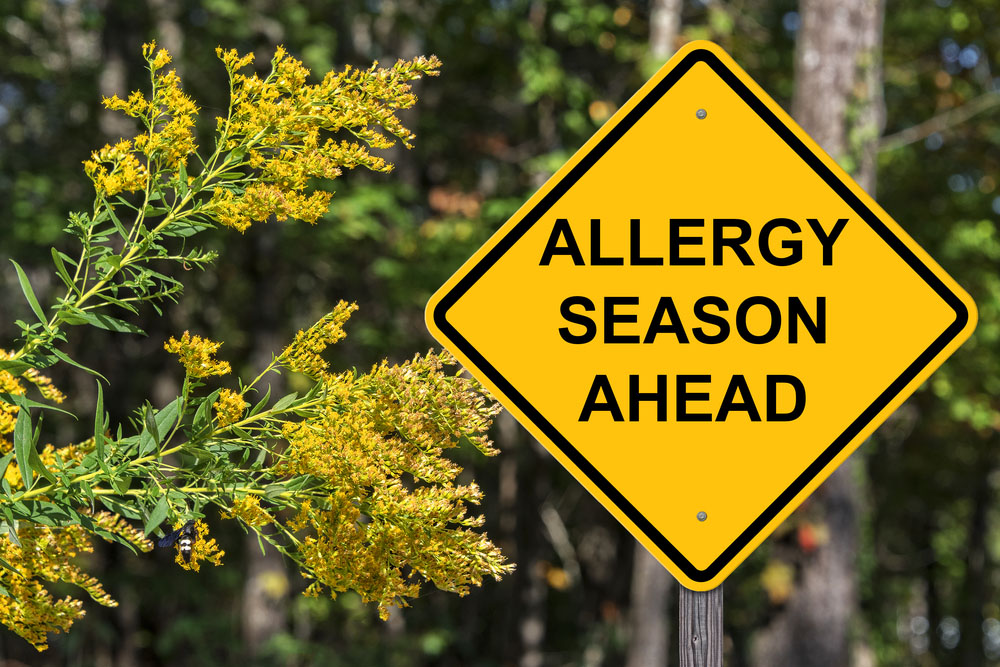
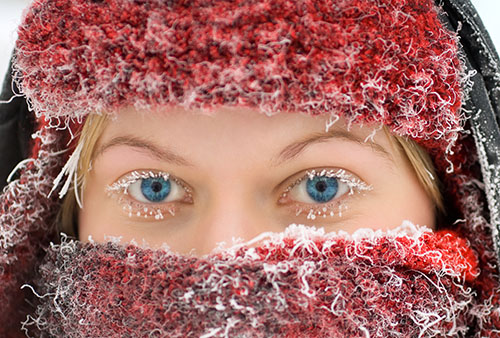
Seasonal changes can have a significant impact on eye health, requiring tailored care strategies. In spring, for instance, allergies can exacerbate symptoms like itchy and watery eyes, while winter often brings dryness and discomfort due to indoor heating. Understanding these seasonal effects can help individuals take proactive steps to protect their vision.
During allergy season, using antihistamine eye drops and wearing sunglasses outdoors can help alleviate symptoms. In contrast, during the winter months, using a humidifier and taking regular breaks from screens can combat dryness. By adapting eye care routines to the seasons, individuals can maintain optimal eye health year-round.
Understanding Common Eye Conditions
Being informed about common eye conditions is crucial for maintaining vision health. Conditions such as myopia, hyperopia, astigmatism, and presbyopia can significantly affect how we see the world. Regular eye exams can help detect these issues early, allowing for timely intervention and treatment.
For instance, myopia, or nearsightedness, is increasingly prevalent, especially among children and young adults. According to the American Academy of Ophthalmology, nearly 30% of the U.S. population is affected by myopia. Understanding these conditions empowers patients to seek appropriate care and make informed decisions about their eye health.
Tips for Maintaining Eye Health Throughout the Year
Maintaining good eye health requires proactive measures throughout the year. Simple practices such as regular eye exams, a balanced diet rich in vitamins A, C, and E, and proper hydration can significantly contribute to long-term vision health. Additionally, protecting your eyes from harmful blue light emitted by screens is essential in today’s digital age.
Incorporating foods like carrots, spinach, and fish into your diet can provide the necessary nutrients for optimal eye function. Moreover, taking breaks during prolonged screen time, known as the 20-20-20 rule—looking at something 20 feet away for 20 seconds every 20 minutes—can reduce eye strain and fatigue.
The Importance of Regular Eye Exams
Regular eye exams are vital for detecting potential vision problems before they become serious. Many eye diseases, such as glaucoma and diabetic retinopathy, often present no symptoms until significant damage has occurred. By scheduling routine exams, individuals can ensure their eyes are healthy and receive necessary treatments in a timely manner.
The American Optometric Association recommends that adults have a comprehensive eye exam every two years, or annually if they have existing vision problems. These exams not only assess vision but also check for overall eye health, providing a thorough evaluation that can help prevent future complications.
Seasonal Eye Care Tips
Seasonal changes can have a significant impact on eye health, requiring tailored care strategies. In spring, for instance, allergies can exacerbate symptoms like itchy and watery eyes, while winter often brings dryness and discomfort due to indoor heating. Understanding these seasonal effects can help individuals take proactive steps to protect their vision.
During allergy season, using antihistamine eye drops and wearing sunglasses outdoors can help alleviate symptoms. In contrast, during the winter months, using a humidifier and taking regular breaks from screens can combat dryness. By adapting eye care routines to the seasons, individuals can maintain optimal eye health year-round.